
Warning Lights
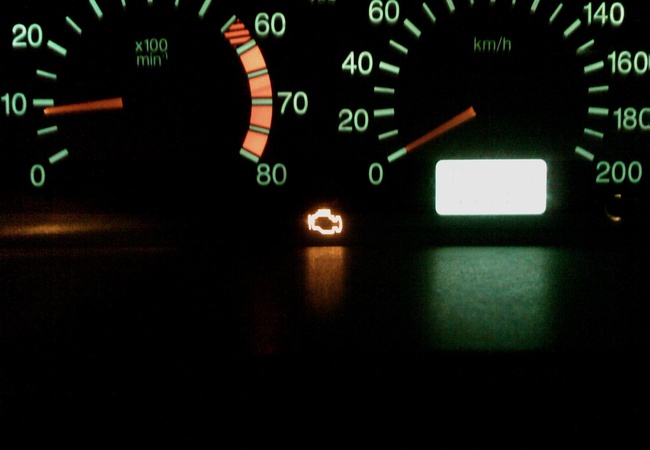
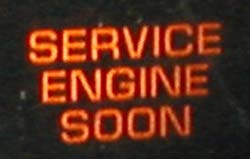
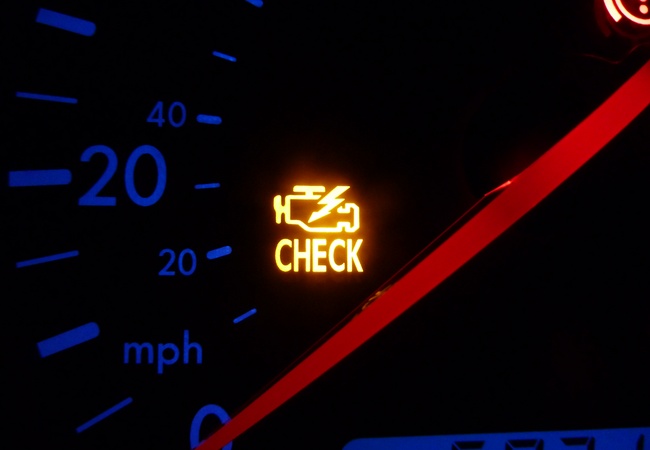
Warning lights, also known as "telltales," are standardized icons on the instrument cluster that provide an immediate visual report on the health and status of various vehicle systems. These lights are connected to the vehicle’s On-Board Diagnostics (OBD-II) system, which constantly monitors thousands of parameters from the engine, transmission, brakes, and safety modules. The lights are color-coded by priority: Green or Blue for active systems (like cruise control or high beams), Yellow or Amber for "check soon" issues (like low tire pressure or emissions), and Red for critical failures that require immediate attention to prevent damage or injury. The technical operation of warning lights involves a complex network of sensors that send data to the Engine Control Unit (ECU) or Body Control Module (BCM). When a sensor detects a value outside of its programmed "normal" range—such as an oxygen sensor reading too much unburnt fuel or a wheel speed sensor detecting a lock-up—the computer triggers the corresponding light and stores a Diagnostic Trouble Code (DTC) in its memory. This code can later be retrieved by a technician using a scan tool to pinpoint the exact circuit or component that is malfunctioning, significantly reducing diagnostic time. The primary importance of warning lights is to serve as a real-time diagnostic interface between the car and the driver, preventing minor issues from escalating into catastrophic failures. For instance, ignoring a Red Oil Pressure light can lead to total engine seizure within minutes, while a flashing "Check Engine" light indicates a severe engine misfire that could melt the expensive catalytic converter. Regularly observing these lights and understanding their meanings is essential for vehicle longevity, as they often provide the only warning a driver receives before a major mechanical or safety system—such as the Airbags (SRS) or Anti-lock Brakes (ABS)—becomes non-functional.