
Trip Meter
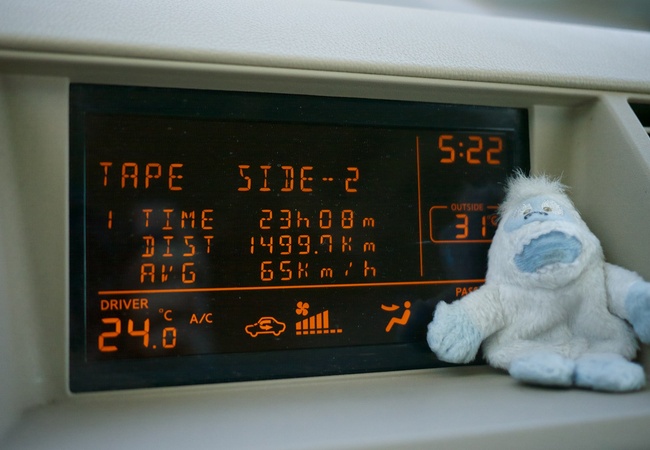
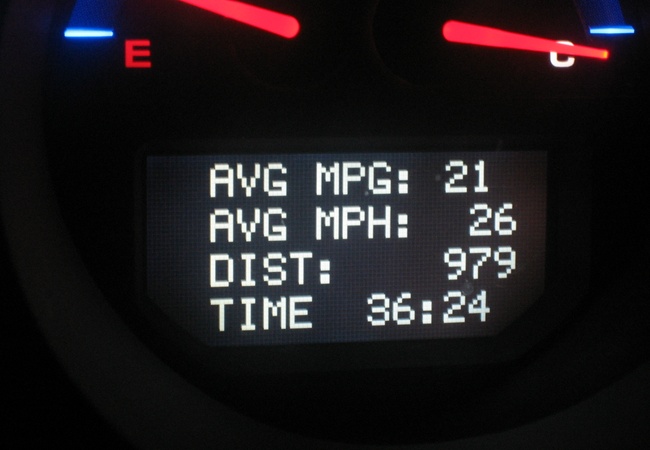
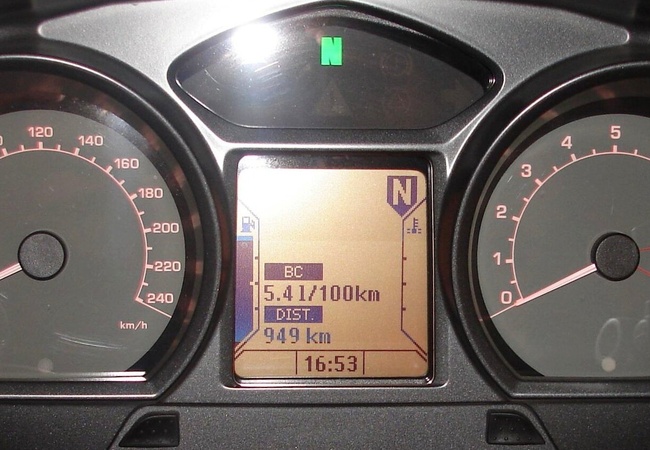
A trip meter is a secondary, user-resettable odometer integrated into the vehicle's instrument cluster. Unlike the main odometer, which permanently records the total lifetime mileage of the vehicle for legal and maintenance records, the trip meter is designed for short-term tracking. Most modern vehicles feature at least two independent meters, typically labeled "Trip A" and "Trip B," allowing a driver to track separate intervals simultaneously, such as the distance of a specific road trip versus the distance since the last oil change. Technically, the trip meter operates by receiving electronic pulses from the Vehicle Speed Sensor (VSS) located on the transmission. As the vehicle moves, the sensor sends a stream of data to the car's computer, which calculates the precise distance traveled based on the known circumference of the tires. This data is then rendered on a digital display (or a mechanical rolling drum in vintage cars) in increments of tenths of a mile or kilometer, providing the high-resolution feedback necessary for precise navigation or fuel economy calculations. The primary importance of the trip meter lies in its utility for vehicle management and navigation. Drivers frequently reset the meter to zero upon filling the fuel tank to manually calculate their miles per gallon (MPG) or to estimate their remaining driving range if the primary fuel gauge is suspected of being inaccurate. Additionally, it serves as a critical tool for following turn-by-turn directions in "dead reckoning" scenarios where GPS may be unavailable, ensuring the driver knows exactly how far they have traveled between specific waypoints.