
Key Fobs
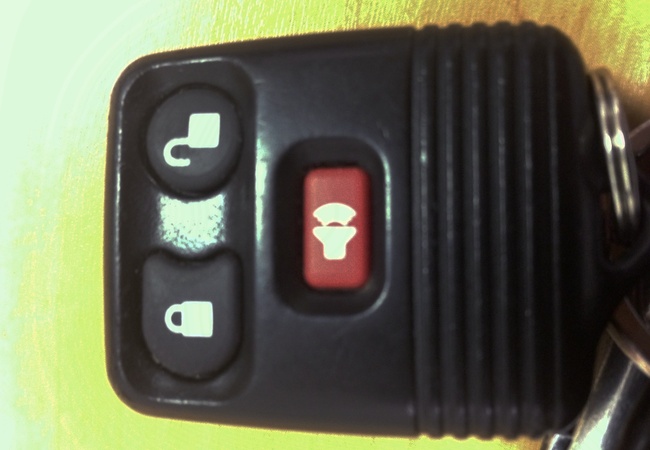
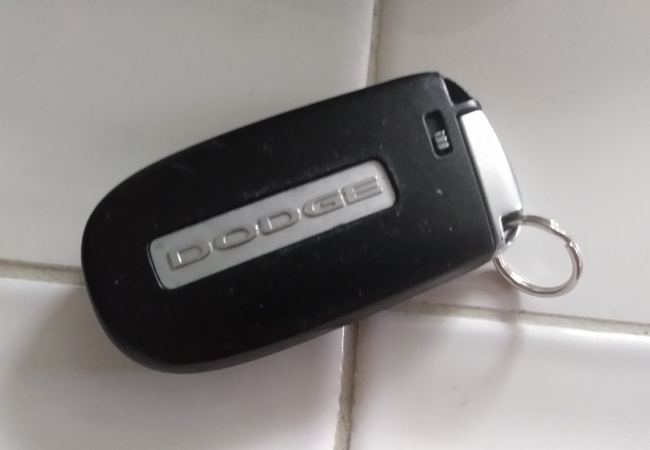
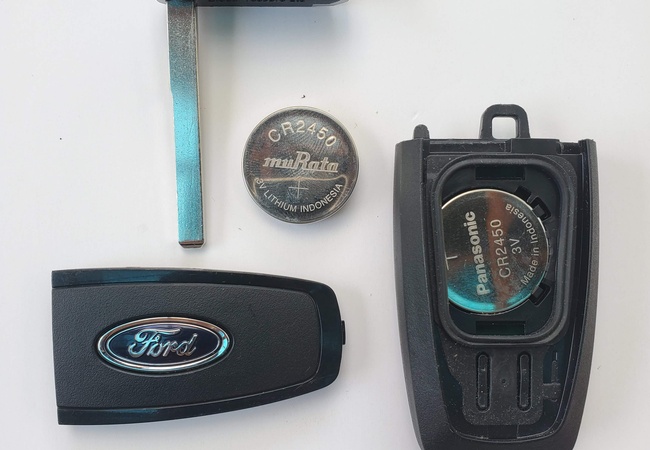
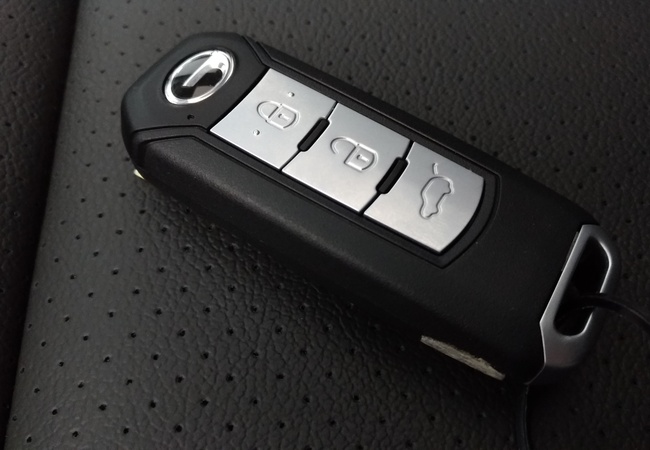
A key fob is a sophisticated handheld transmitter that serves as the primary interface for a vehicle's Remote Keyless Entry (RKE) and Passive Entry Passive Start (PEPS) systems. Encased in a durable, weather-resistant plastic shell, it contains a miniaturized circuit board, a lithium coin-cell battery, and a radio frequency (RF) antenna. Modern fobs utilize advanced rolling code technology, which generates a unique, encrypted signal every time a button is pressed, preventing tech-savvy thieves from intercepting and duplicating the code to gain unauthorized access to the vehicle. The technical operation of a key fob involves sending encrypted radio signals—typically at frequencies of 315MHz or 433MHz—to the vehicle's Body Control Module (BCM). In "smart" or proximity-based systems, the vehicle constantly broadcasts a low-power "ping" to search for the fob; when the fob enters a specific range (usually 3 to 5 feet), it automatically responds, allowing the driver to unlock the doors or start the engine via a push-button without ever removing the device from their pocket. Furthermore, most fobs house a assive transponder chip that can be read by the car’s immobilizer system through electromagnetic induction, allowing the car to start even if the fob’s internal battery is completely dead. The primary importance of the key fob lies in its role as a centralized security and convenience hub for the modern driver. Beyond simple locking and unlocking, fobs can store personalized driver profiles, automatically adjusting power seats, side mirrors, and climate control settings to a specific user's preference upon entry. Because they are digitally paired to a specific vehicle's computer, they act as a powerful theft deterrent; however, this complexity means that losing a fob often requires professional reprogramming using specialized diagnostic tools to sync a new unit to the car's encrypted security network.