
Ignition Modules
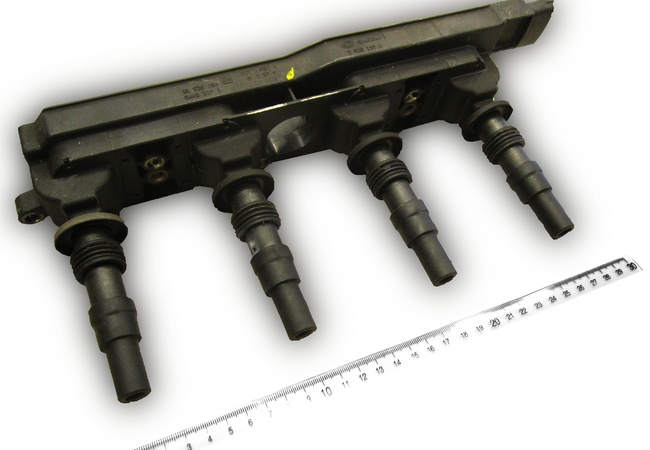
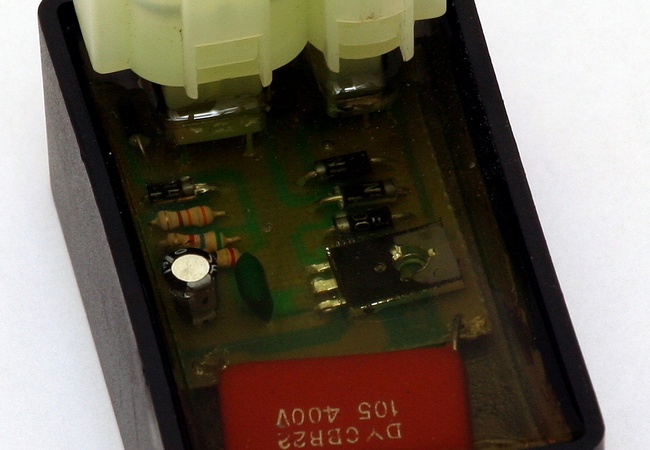
An ignition module is a solid-state electronic switching device that serves as the "brain" of the engine's ignition system. Its primary role is to manage the high-speed timing and delivery of the electrical spark required to ignite the fuel-air mixture within the combustion chambers. While older vehicles utilized standalone modules, modern cars typically integrate these functions into the Engine Control Unit (ECU) or a dedicated Ignition Node Module (IGNM), which communicates with the key transponder to authorize engine starting and operation. The technical operation of the module involves receiving low-voltage timing signals from the crankshaft and camshaft position sensors to determine exactly when each cylinder's spark plug needs to fire. When the module receives a signal, it momentarily interrupts the ground circuit for the ignition coil; this sudden break causes the coil's magnetic field to collapse, inducing a massive high-voltage spike (up to 50,000 volts). This voltage is then channeled to the spark plug, creating the arc necessary for combustion thousands of times per minute with microsecond precision. The importance of the ignition module lies in its critical influence over engine performance, fuel efficiency, and reliability. Because it handles significant electrical current, the module generates substantial heat and is highly sensitive to thermal stress; a failing module often causes the engine to stall unexpectedly once it reaches operating temperature and may refuse to restart until the component has cooled down. Diagnosing a faulty module is essential for resolving "no-start" conditions or persistent engine misfires that can lead to long-term damage to the catalytic converter and other emissions components.