
Temperature Gauge
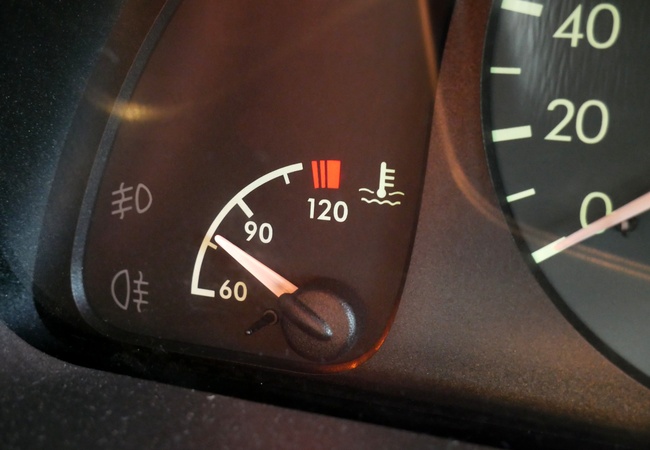
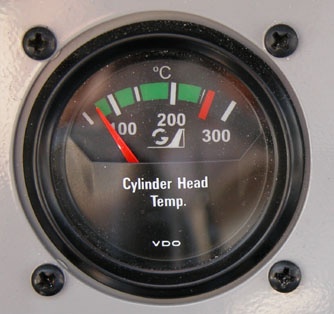
A temperature gauge is a critical engine-monitoring instrument located on the dashboard that provides a real-time visual report of the internal heat level of the engine's coolant. It acts as the primary defense against catastrophic mechanical failure by allowing the driver to observe whether the engine is operating within its optimal thermal range, typically between 195°F and 220°F. In modern vehicles, this gauge is often "buffered" by the vehicle's computer, meaning the needle or digital bars stay steady in the center once warmed up to prevent distracting the driver with minor, normal fluctuations. The technical operation of the gauge relies on a coolant temperature sensor (CTS), which is a thermistor submerged in the coolant flow, usually near the thermostat housing or cylinder head. As the engine warms, the sensor’s electrical resistance changes in response to the heat, sending a varying voltage signal to the instrument cluster. The gauge then interprets this signal to move a needle or illuminate a digital scale; if the coolant reaches a dangerous threshold, the computer will often trigger a bright red "temp" warning light or even enter a "limp home" mode to protect the engine from melting internal seals or warping the cylinder head. The importance of monitoring the temperature gauge cannot be overstated, as it serves as an early warning system for cooling system malfunctions like a stuck thermostat, a leaking radiator, or a failing water pump. For example, if the gauge remains at "Cold" for an extended period, it may indicate a thermostat stuck open, which leads to poor fuel economy and weak cabin heat. Conversely, a needle climbing into the "Red" zone signifies an immediate overheating condition, requiring the driver to pull over and shut down the engine instantly to prevent permanent, multi-thousand-dollar damage to the engine block and pistons.