
Tachometer
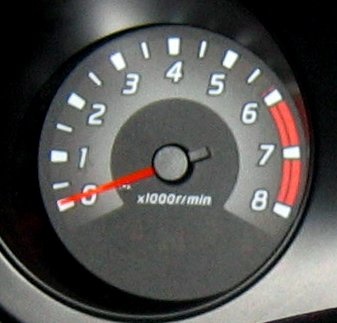
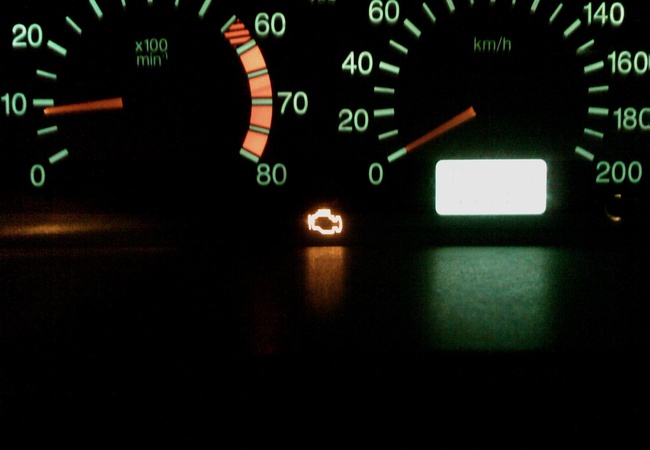
A tachometer is a precision instrument located within the instrument cluster that measures the instantaneous rotation speed of the engine's crankshaft. Unlike the speedometer, which tracks the vehicle's travel over the ground, the tachometer displays how many revolutions per minute (RPM) the engine is completing. In modern vehicles, this data is gathered by the crankshaft position sensor, which sends high-speed electrical pulses to the car's computer to be translated into the needle movement or digital readout seen by the driver. The operational layout of a tachometer typically features a scale ranging from zero to several thousand RPM, marked by a critical "redline" at the upper limit. This redline represents the maximum safe operating speed for the engine's internal components, such as valves, pistons, and connecting rods. If a driver forces the engine beyond this point, they risk catastrophic mechanical failure, though most modern vehicles now include an electronic rev limiter that automatically cuts fuel or spark to prevent the engine from self-destructing. Beyond its role as a safety guardrail, the tachometer is an essential tool for maximizing vehicle performance and fuel efficiency. In manual transmission cars, it provides the visual cue for the optimal moment to shift gears to maintain the "power band." In automatic vehicles, it allows the driver to monitor engine health; for instance, a "hunting" needle that bounces at idle can signal a vacuum leak or a dirty throttle body, while unusually high RPMs at highway speeds might indicate that the transmission is failing to engage its top overdrive gear.