
Speedometer
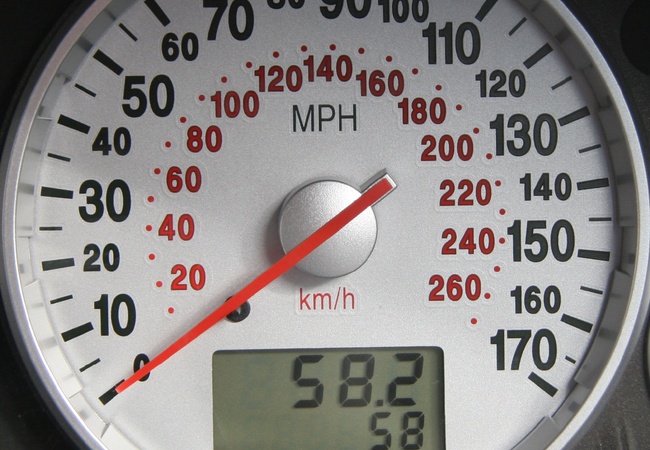
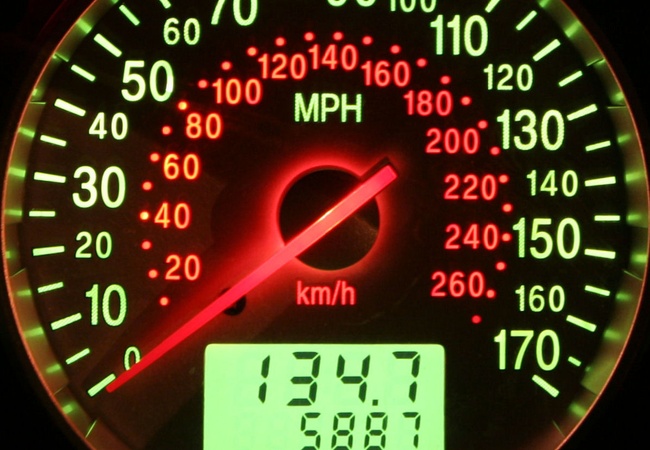
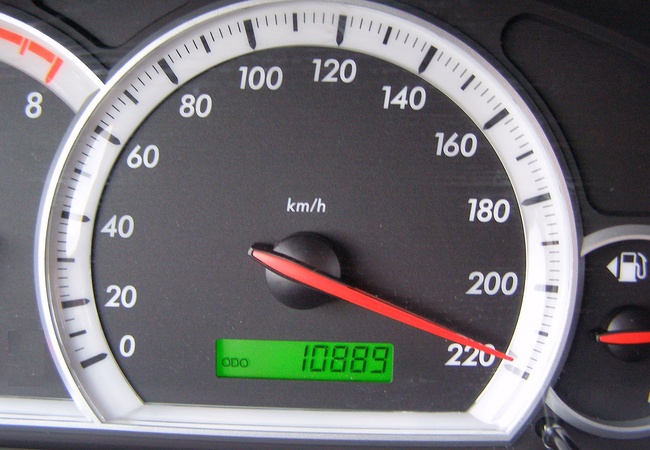
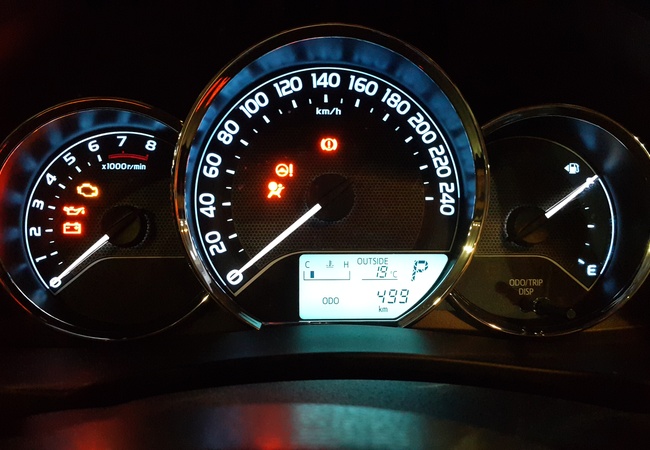
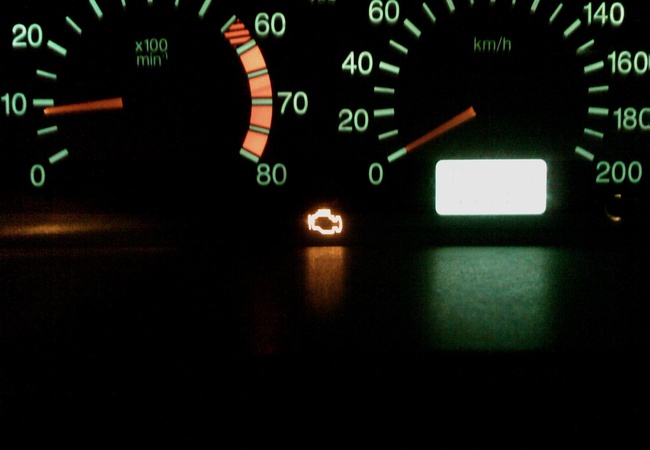
The speedometer is the primary instrument used to communicate the vehicle's forward velocity to the driver. In modern vehicles, it is almost entirely electronic, receiving high-speed data pulses from the Vehicle Speed Sensor (VSS) or the Anti-lock Braking System (ABS) wheel speed sensors. This data is processed by the instrument cluster to drive a stepper-motor needle or a digital numeric display in either Miles Per Hour (MPH) or Kilometers Per Hour (KPH). The accuracy of the speedometer is highly dependent on the outside diameter of the tires. If a driver installs larger-than-stock tires, the speedometer will "under-report" the speed (reading 60 when the car is actually doing 65), which can lead to speeding tickets or safety issues. Because of this, many modern speedometers can be recalibrated via the car's computer if the tire size is changed. Beyond its legal requirement for speed limit compliance, the speedometer works in tandem with the cruise control and transmission systems. The car's computer uses the speed data to determine shift points and to maintain a constant speed when cruise control is engaged. If the speedometer fails or begins to waver, it usually triggers a Check Engine light and may put the transmission into a "Limp Home" mode to protect the vehicle from damage.