
Sensors
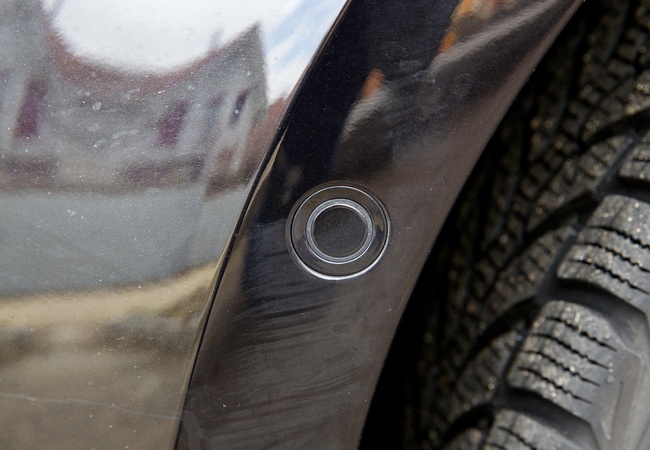
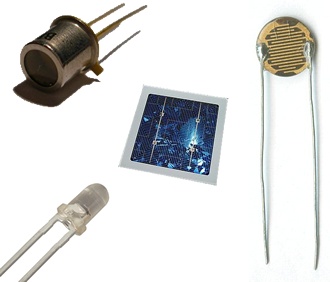
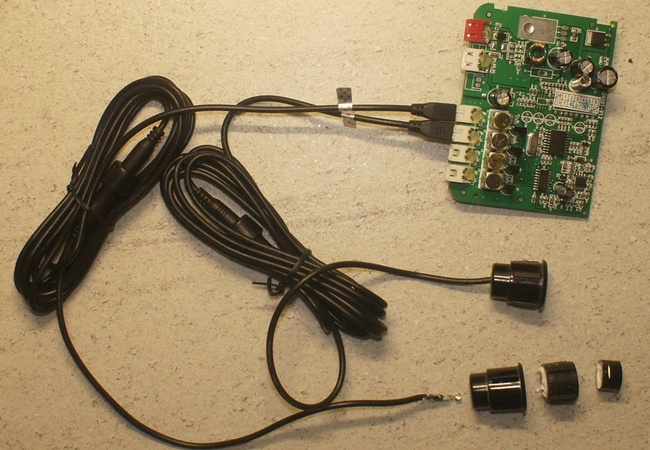
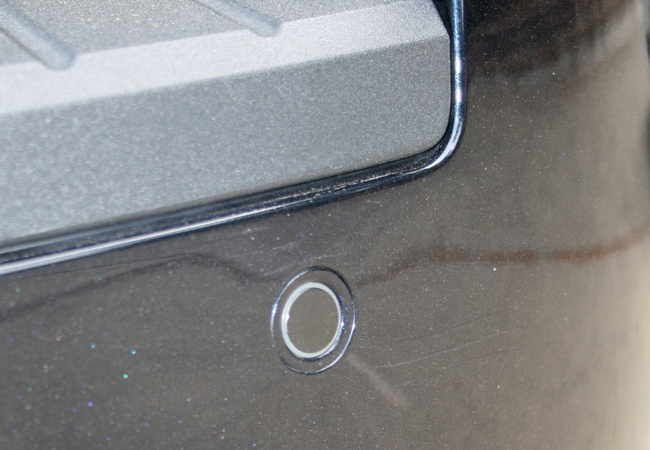
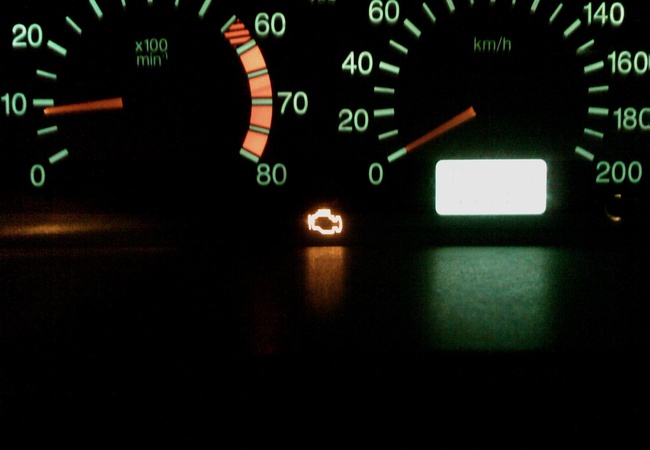
Vehicle sensors are the electronic "sense organs" of a car, converting physical conditions like temperature, pressure, position, and speed into electrical signals for the vehicle's various control modules. There are dozens of these scattered throughout a modern car, ranging from Oxygen (O2) sensors in the exhaust that monitor emissions to Wheel Speed sensors in the hubs that manage traction. They allow the car to make thousands of microscopic adjustments per second to maintain performance and safety. Operationally, sensors generally fall into two categories: "active" and "passive." Passive sensors (like a temperature thermistor) change their resistance based on the environment, while active sensors (like a Hall-effect crankshaft sensor) generate their own electrical pulse as a target passes by. These signals are sent to the ECU, which compares them against pre-programmed maps. If a sensor sends a signal that is "out of bounds"—such as a Knock Sensor detecting engine vibration—the computer will instantly retard the ignition timing to protect the engine. The reliability of a modern car is almost entirely dependent on its sensor network. When a sensor fails, the car may enter a "fail-safe" or "limp" mode to prevent damage, often resulting in reduced power and a illuminated warning light on the dash. While sensors are generally robust, they can be damaged by heat, vibration, or moisture; for example, a dirty Mass Air Flow (MAF) sensor can cause poor idling, while a failed ABS sensor will disable the traction control and anti-lock braking systems.