
Power Window Motors
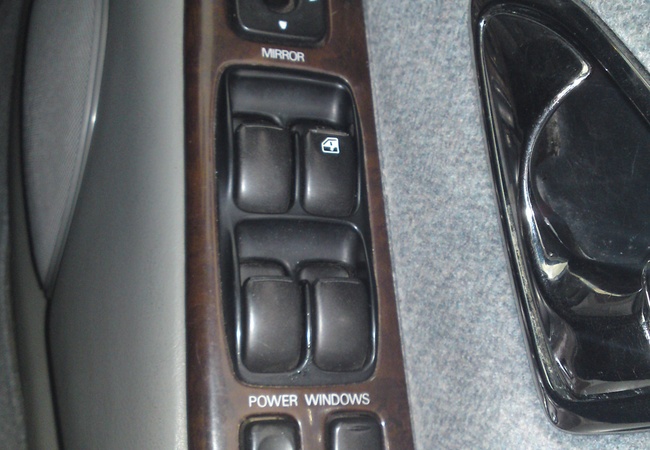
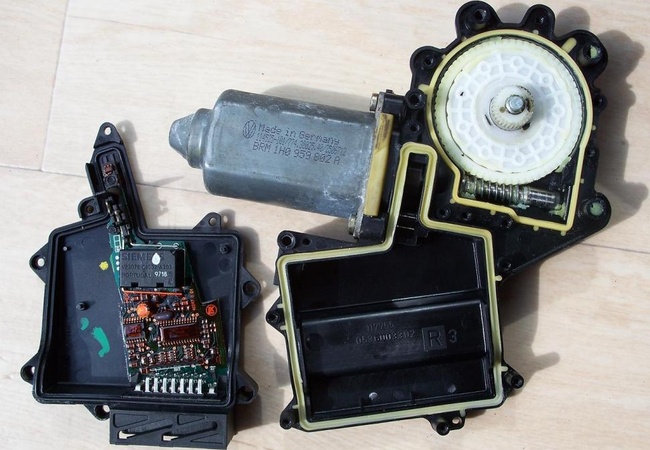
A power window motor is a compact, high-torque 12V DC motor equipped with an integrated worm-gear drive. Located inside the hollow cavity of each door, it is bolted to a mechanical assembly called the window regulator. The worm-gear design is essential because it is "self-locking," meaning it prevents the weight of the glass (or a thief's hand) from pushing the window down when the motor is not powered. When the driver presses the window switch, the motor receives electrical current in one of two polarities: one for "up" and the other for "down." The motor's rotational force is transferred to the regulator—either a cable-and-pulley system or a "scissor" gear arm—which then slides the glass along the window tracks. Modern "One-Touch" or "Auto" windows use a Hall-effect sensor inside the motor to count revolutions, allowing the computer to know exactly when the window is fully closed or open. These motors are designed with a safety feature known as "pinch protection." If the motor's control module detects a sudden spike in electrical resistance (indicating the window has hit an obstruction like a child's hand), it instantly reverses the motor's direction. The most common failures for these motors include worn internal brushes or stripped plastic gears, often caused by trying to operate the window when it is frozen shut in the winter