
Odometer
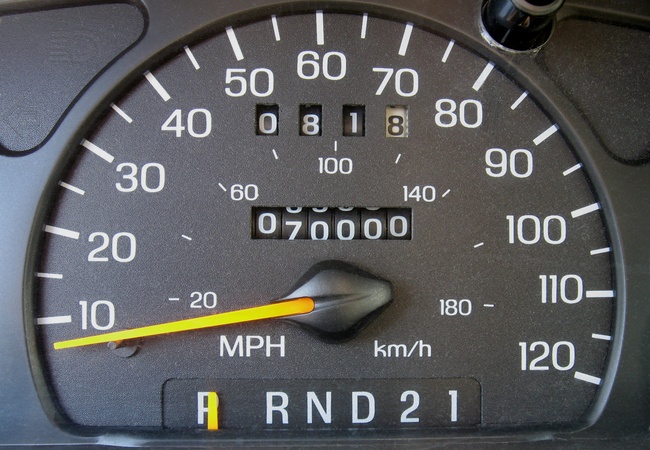
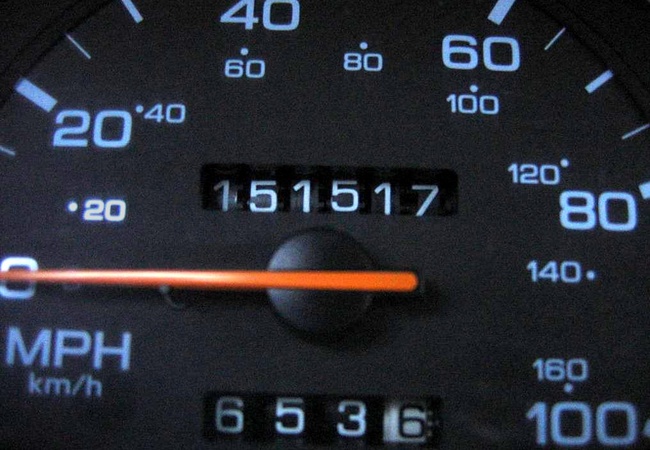
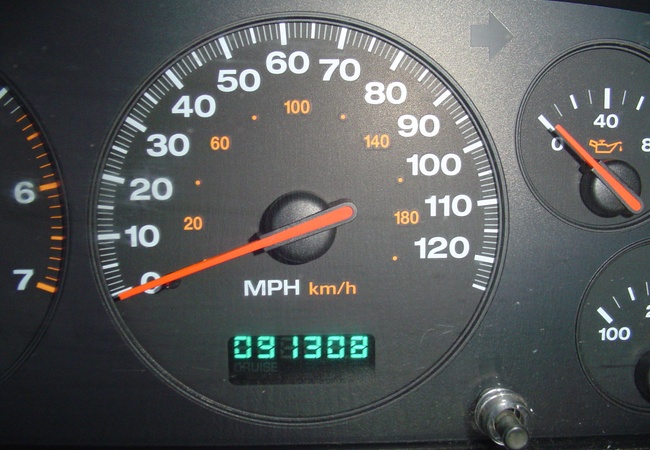
The odometer is the legal record of a vehicle's total accumulated mileage from the moment it left the factory. In modern vehicles, this data is stored digitally in multiple locations—usually the instrument cluster and the Engine Control Unit (ECU)—to prevent tampering and "odometer fraud." It is an essential component for tracking a car's overall wear and tear, and its reading is required by law during every title transfer and most annual inspections. The odometer works by counting pulses from the Vehicle Speed Sensor (VSS). As the transmission rotates, the VSS sends a stream of electrical "ticks" to the car's computer. The computer knows exactly how many pulses equal one mile; for example, a common standard is 8,000 pulses per mile. The odometer then adds these units to its permanent total, which is protected by encryption to ensure the value cannot be easily rolled back or altered. A vehicle's maintenance schedule is almost entirely based on the odometer reading. Major services, such as timing belt replacements or transmission flushes, are performed at specific mileage intervals to prevent mechanical failure. Because the odometer is so critical for resale value and legal compliance, any failure of the display or the underlying speed sensor is considered a major defect that must be disclosed to future buyers