
Fuse Box
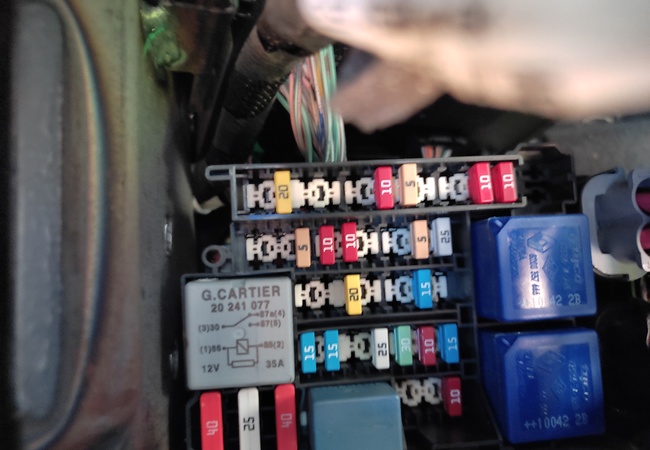
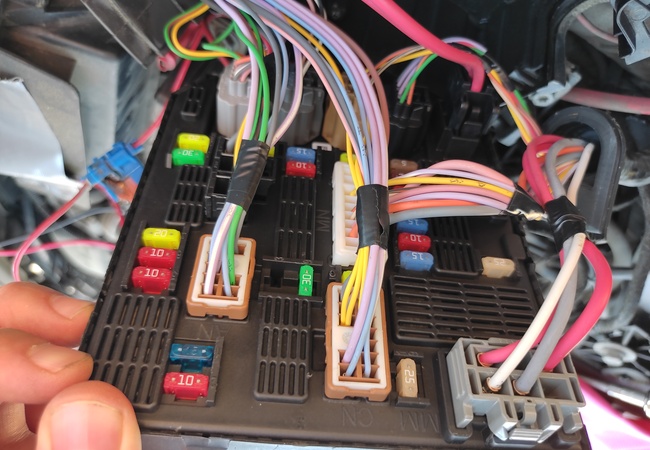
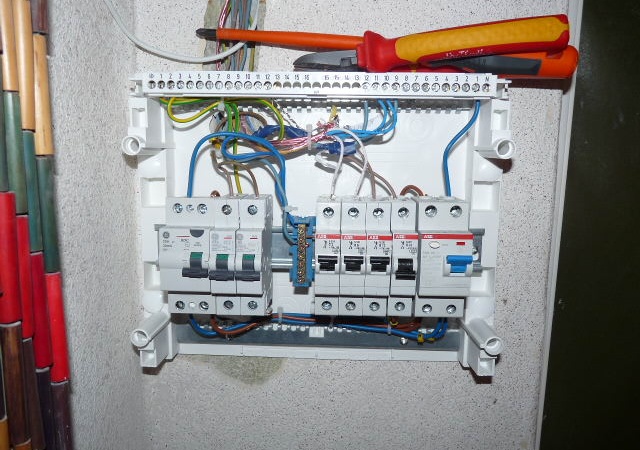
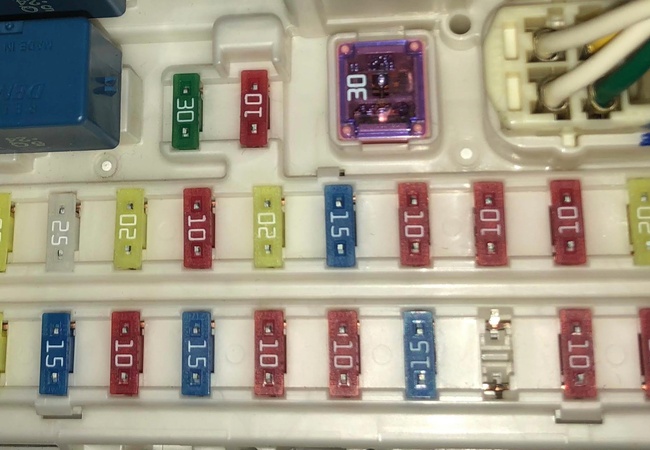
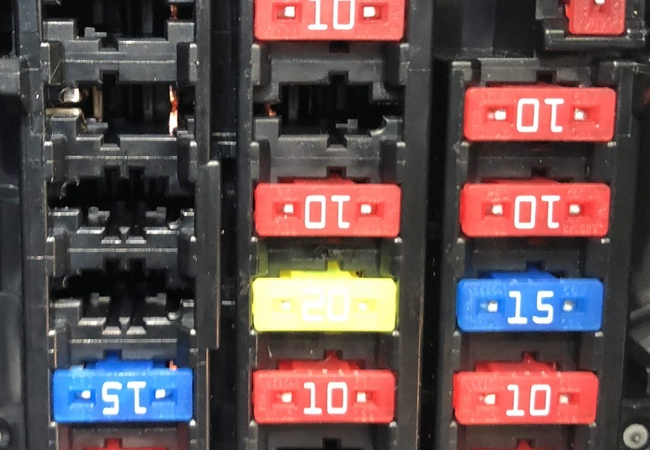
The fuse box is the central electrical distribution and protection hub for the entire vehicle. It is a plastic housing that contains dozens of individual fuses, relays, and sometimes integrated circuit boards. Most vehicles feature at least two separate boxes: a primary "Power Distribution Center" under the hood (near the battery) for high-current items like the starter and cooling fans, and a secondary "Junction Block" inside the cabin (usually under the dash) for interior electronics like lights and the radio. Fuses are the "sacrificial" components of the electrical system. Each fuse contains a small strip of metal designed to melt and break the circuit if the electrical current (amperage) exceeds a safe limit. This prevents "thermal runaway," where a short circuit could cause wires to melt or catch fire. Relays, also found in the fuse box, act as remote-controlled switches, allowing a low-power dashboard switch to safely turn on a high-power component like the headlights or the AC compressor. A properly labeled fuse box is essential for basic troubleshooting. If a component like the horn or power outlet stops working, the first step is always to check its corresponding fuse. Modern fuse boxes often use "Smart Fuses" that can be reset electronically or "Micro Fuses" to save space. It is critical to never replace a blown fuse with one of a higher amperage rating, as this bypasses the safety protection and can lead to permanent damage to the vehicle's wiring harness