
Fuel Gauge
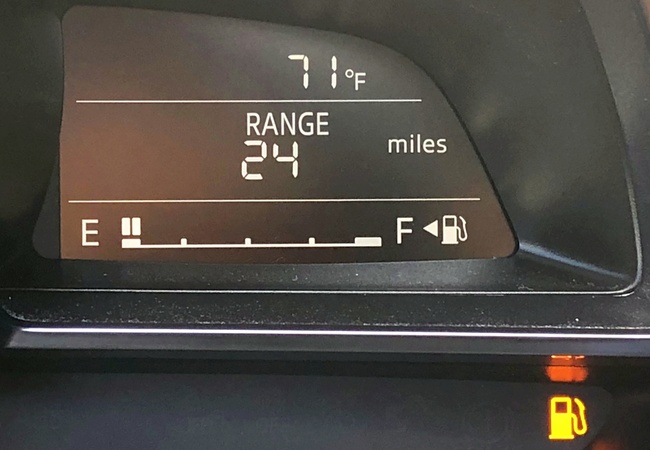
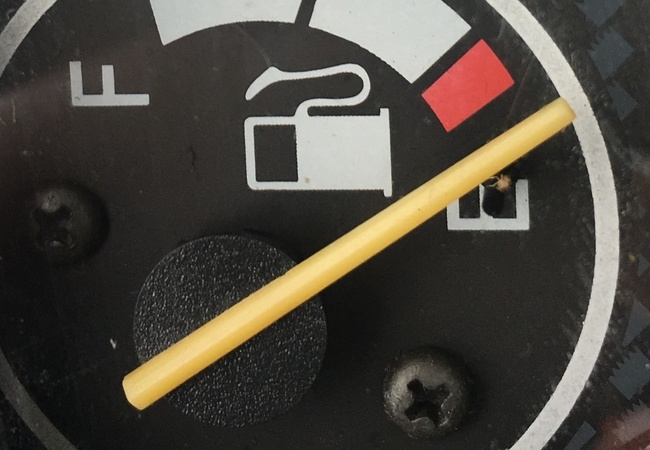
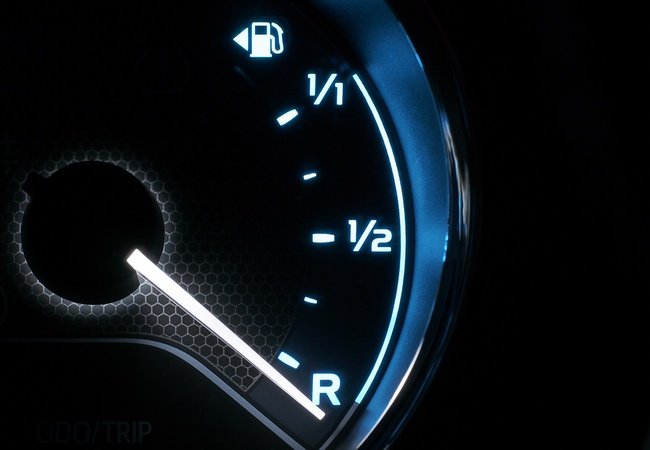
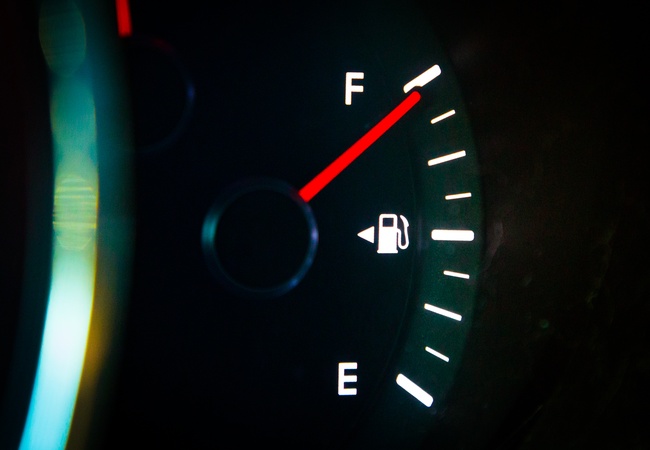
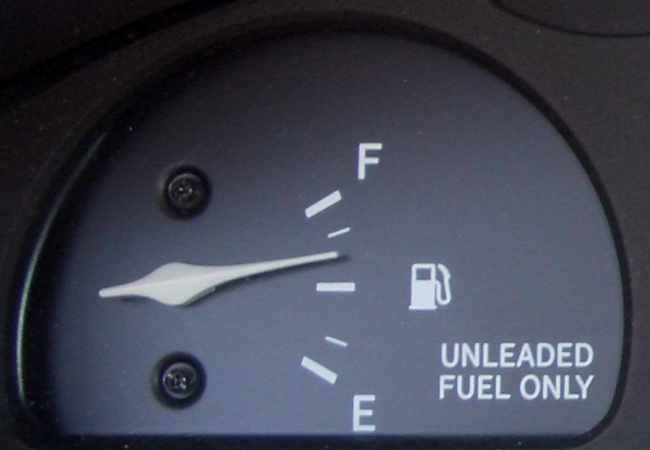
A fuel gauge is a critical dashboard instrument designed to provide a real-time estimate of the liquid fuel remaining in the vehicle's storage tank. It functions as the primary interface between the driver and the fuel delivery system, ensuring that the operator is aware of the vehicle's remaining driving range. In modern vehicles, this gauge is often supplemented by a digital "Distance to Empty" readout, which uses historical fuel consumption data and current tank levels to predict exactly how many miles can be traveled before the engine starves of fuel. The mechanical operation of the fuel gauge relies on a fuel sending unit submerged within the tank, consisting of a buoyant foam float attached to a metal arm. As the fuel level rises or falls, the float moves the arm across a variable resistor (potentiometer), changing the electrical resistance in the circuit. This varying voltage is sent to the vehicle’s body control module, which "dampens" the signal to prevent the needle from bouncing as fuel sloshes during turns or braking, before displaying the final level on the instrument cluster. The importance of the fuel gauge extends beyond simple convenience; it is a vital tool for protecting the vehicle's electric fuel pump. Because the fuel pump is submerged in the tank, it relies on the surrounding fuel to dissipate heat and provide lubrication during operation; consistently running the tank to "Empty" can cause the pump to overheat and fail prematurely. Furthermore, most gauges include a "low fuel" warning light that triggers when the level reaches a reserve threshold, typically 1–2 gallons, serving as a final safety buffer to prevent the driver from being stranded.