
Battery
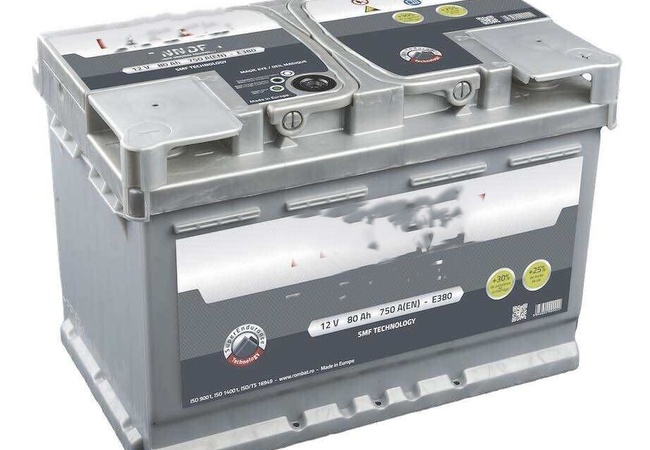
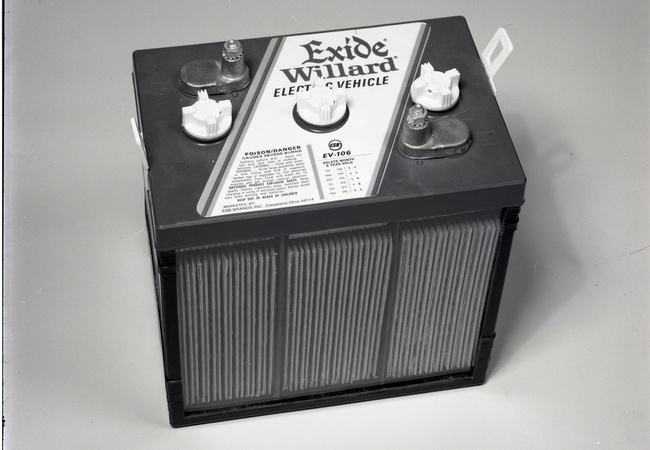
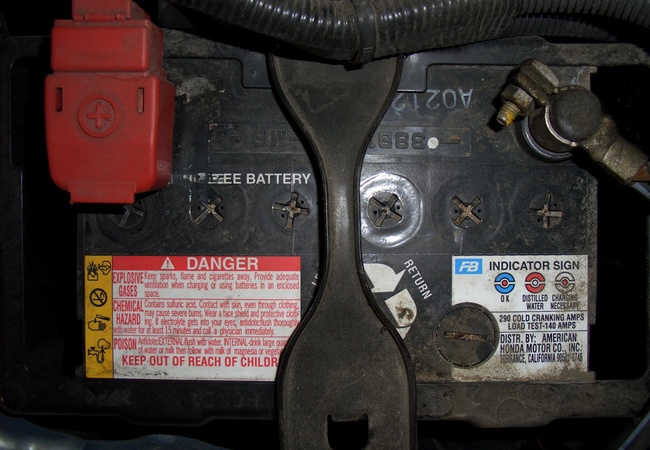
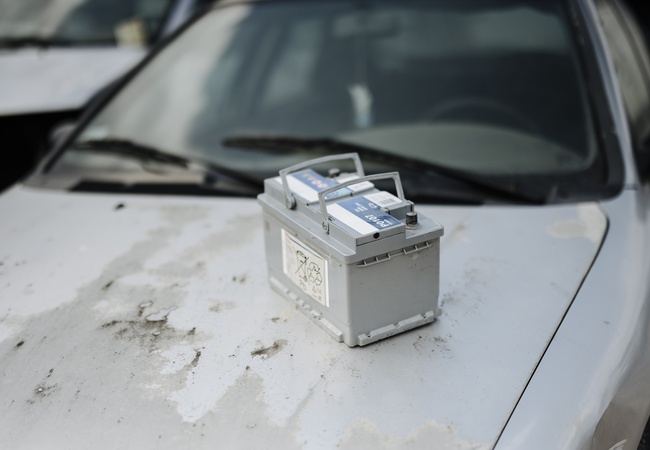
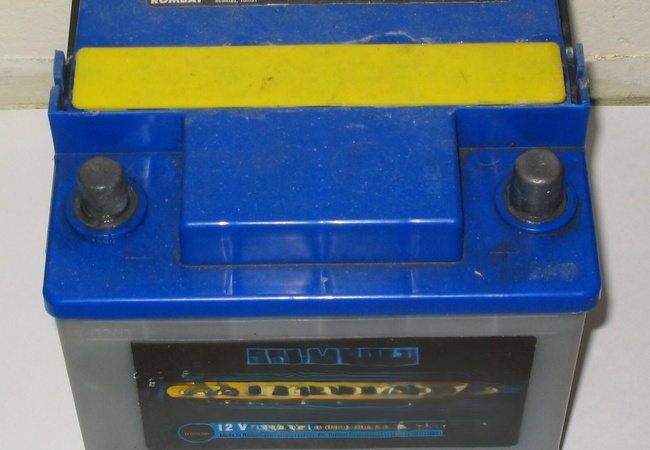
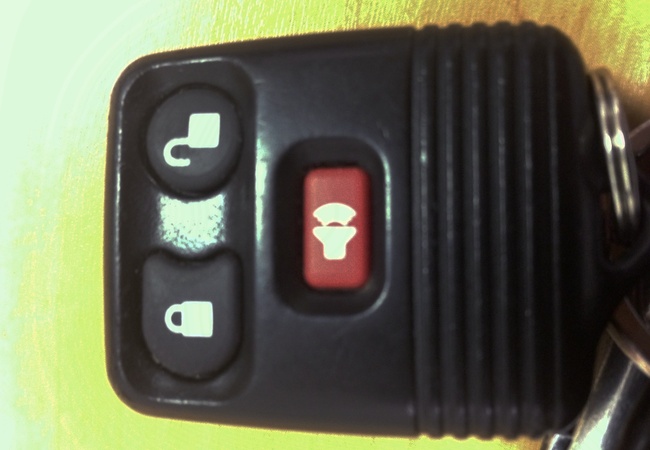
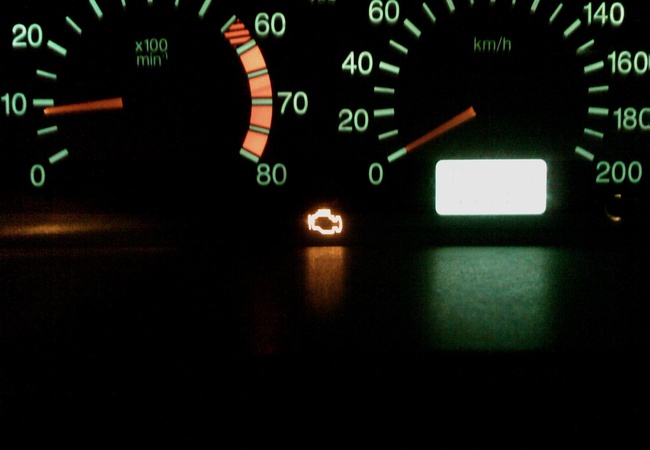
An automotive battery is a lead-acid (or increasingly, Absorbent Glass Mat/AGM) chemical storage device that provides the 12.6 volts of direct current (DC) needed to power the vehicle. It consists of six internal cells, each containing lead plates submerged in a sulfuric acid electrolyte. Its primary technical metric is "Cold Cranking Amps" (CCA), which measures the battery's ability to deliver a massive surge of power for 30 seconds at 0°F—the exact power needed to turn a cold, stiff engine. While the car is off, the battery powers "parasitic" loads like the clock, the alarm system, and the key fob receiver. When the driver turns the key, the battery provides the high current required to engage the starter motor. Once the engine is running, the alternator takes over the electrical load and sends a regulated "trickle charge" back into the battery to replenish the energy used during starting and to maintain the chemical balance within the cells. The lifespan of a battery is heavily influenced by temperature; extreme heat accelerates chemical breakdown, while extreme cold reduces the battery's ability to discharge power. Most batteries last between 3 to 5 years before the lead plates become "sulfated," losing their ability to hold a charge. Signs of a dying battery include dimming headlights, slow engine "cranking" when starting, or the appearance of a battery icon on the dashboard, which often indicates that the alternator is no longer charging the battery correctly.