
Wiper Arms
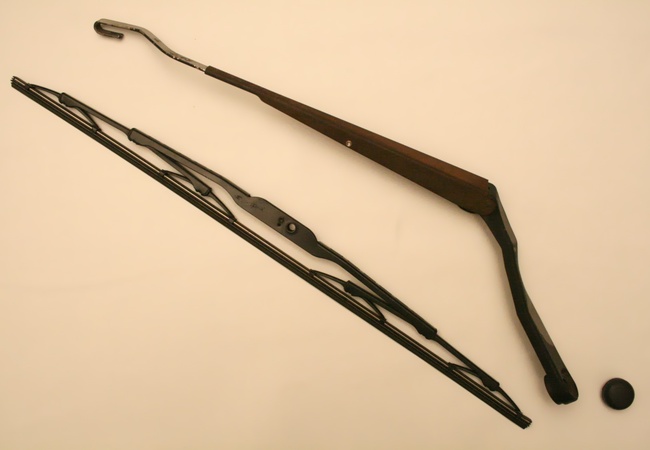
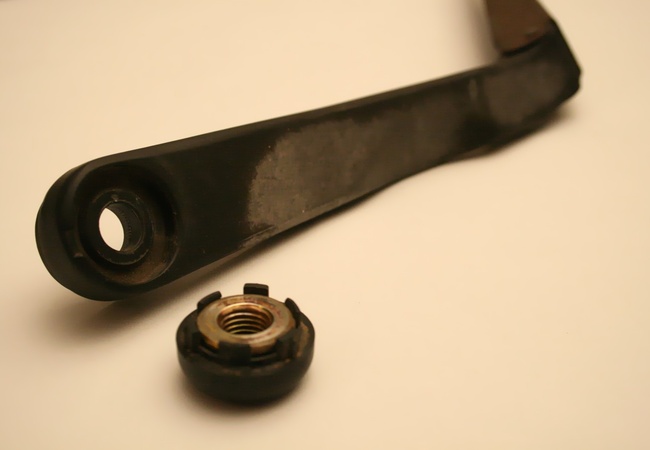
Wiper arms are the rigid metal structural links that connect a vehicle's wiper motor to the rubber wiper blades. Usually constructed from stamped steel or cast aluminum and finished with a weather-resistant black coating, these arms are designed to withstand high wind resistance and extreme temperature fluctuations. They feature a high-tension internal spring at the base hinge, which provides the necessary downward force to keep the wiper blade pressed firmly against the curved surface of the windshield glass. The technical operation of the wiper arm involves translating the oscillating rotational motion from the wiper transmission into a wide, synchronized arc across the windshield. The arm is mounted onto a tapered, splined shaft that ensures a slip-free connection; as the shaft rotates back and forth, the arm moves the blade to clear rain, snow, or debris from the driver's field of vision. Many modern "aero" wiper arms are engineered with an integrated spoiler profile, which uses the airflow at highway speeds to push the arm harder against the glass, preventing "wind lift" that can cause skipping or streaking. The primary importance of the wiper arm lies in its role as a critical visibility and safety component. Over time, the internal tension spring can weaken or the pivot hinge can become corroded and stiff, leading to inconsistent contact and dangerous "blind spots" during heavy storms. Furthermore, because they are exposed to the elements 24/7, wiper arms are susceptible to being bent by heavy snow loads or automated car washes, which can ruin the wipe pattern and necessitate a complete replacement to restore a clear view of the road.