
Performance Chips
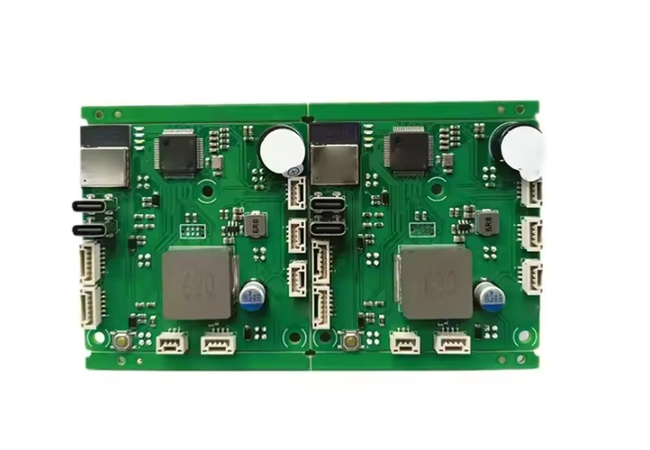
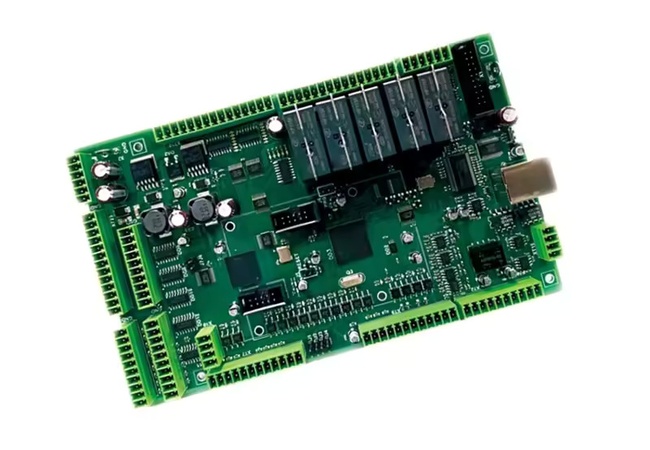
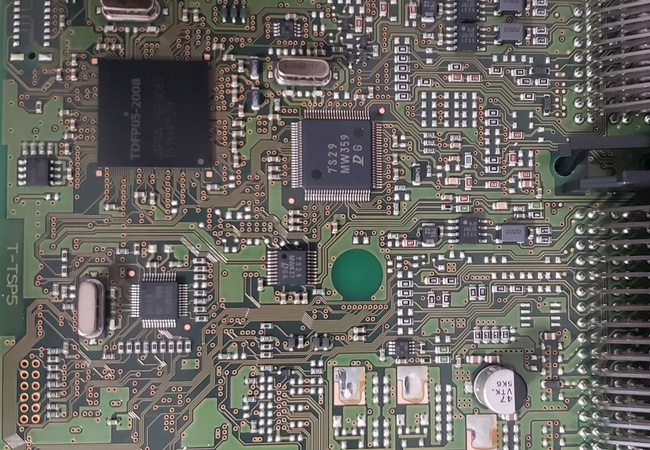
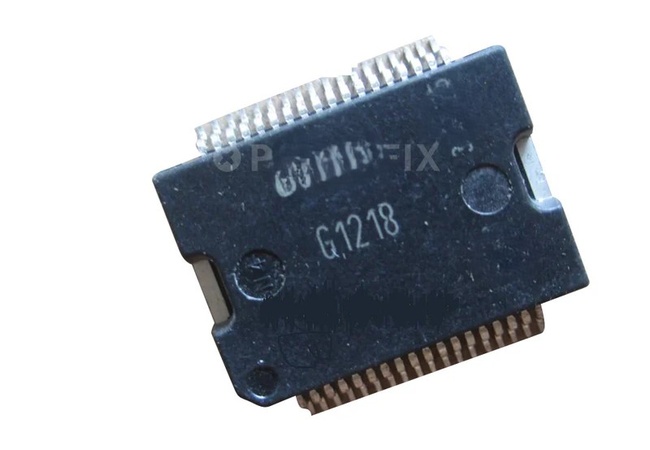
A performance chip is a small electronic device designed to enhance a vehicle’s engine performance by modifying the instructions of the car’s Engine Control Unit (ECU), which is responsible for managing key engine functions such as fuel injection, ignition timing, and air intake. By altering these factory-set parameters, the performance chip enables the engine to operate more efficiently and with increased responsiveness compared to its original manufacturer settings. This can result in improved horsepower, enhanced torque, and quicker throttle response, contributing to a more dynamic driving experience. The functionality of a performance chip is centered on optimizing engine operations such as the fuel-to-air ratio and ignition timing to ensure more efficient combustion. In vehicles equipped with turbochargers, it may also adjust boost pressure to deliver additional power. Since manufacturers often configure engines to balance performance with fuel economy and emission standards, performance chips are designed to refine these settings and enhance overall engine output. As a result, vehicles may exhibit smoother acceleration, improved responsiveness, and, in some cases, better fuel efficiency depending on usage and configuration. It is important to note that performance chips are not universal components and are not standard in all vehicles. They are typically aftermarket enhancements, meaning they are added separately rather than included during manufacturing. Compatibility varies depending on the vehicle’s make, model, and year, as different manufacturers use distinct ECU systems and configurations. Consequently, performance chips may differ in design, size, and connection type, with some functioning as plug-and-play modules connected via diagnostic ports, while others integrate more directly with the vehicle’s electronic system. While performance chips offer notable benefits, they may also present certain considerations. Increased engine output can lead to higher fuel consumption and may contribute to additional strain on engine components over time. In some cases, their use may affect manufacturer warranties or compliance with local emission regulations. For visual representation, free copyright-safe images of performance chips can be sourced from platforms such as Unsplash, Pexels, and Pixabay, where high-quality images are available for both personal and commercial use. Searching for terms like “car ECU,” “performance chip,” or “engine control unit” can provide suitable images for presentations, reports, or automotive-related content.