
Lights
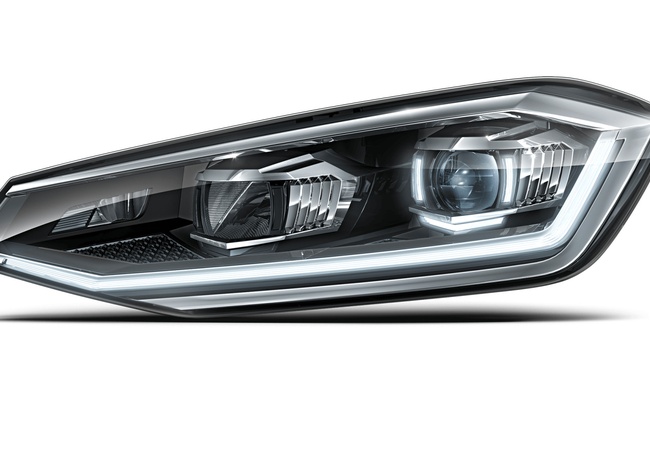
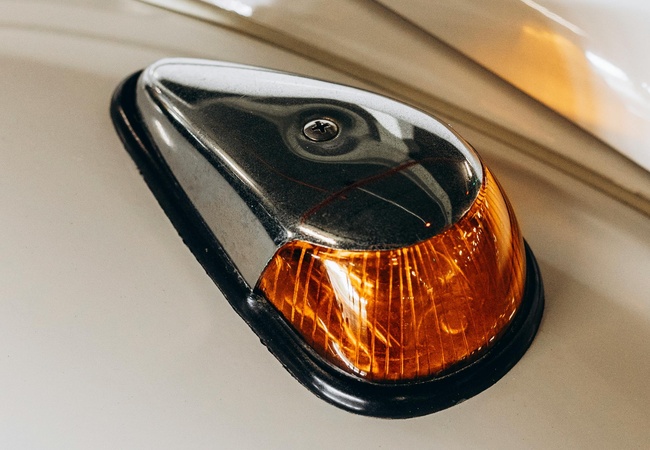
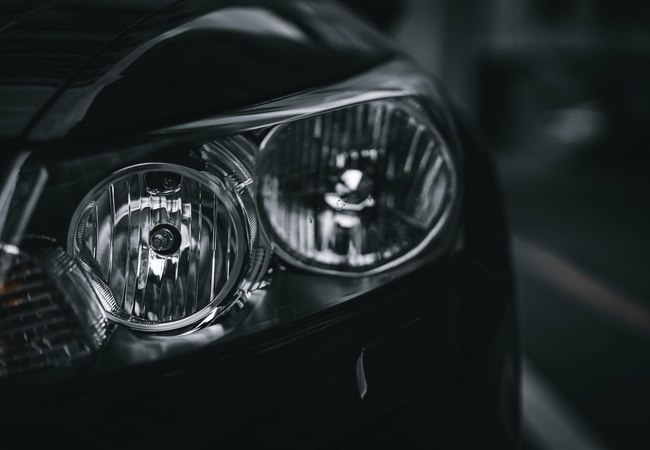
Car lights are essential components of a vehicle, designed to improve visibility, communication, and safety for both the driver and other road users. They serve multiple functions depending on their type and usage conditions, ensuring that a vehicle can be operated safely in different environments such as at night, in poor weather, or in heavy traffic. Headlights are the primary source of illumination for driving in low-light conditions. They allow the driver to see the road ahead clearly and also make the vehicle visible to oncoming traffic. Most vehicles have two headlight settings: low beam and high beam. Low beams are used for regular night driving as they provide adequate illumination without blinding other drivers, while high beams are used in darker, open areas to provide maximum visibility when no other vehicles are nearby. Tail lights are located at the rear of the vehicle and are automatically activated when the headlights are turned on. Their main function is to make the vehicle visible from behind, especially in low-light conditions. Brake lights, which are brighter than tail lights, are also positioned at the rear and illuminate when the driver presses the brake pedal. This signals to drivers behind that the vehicle is slowing down or stopping, helping to prevent collisions. Turn signal lights, also known as indicators, are used to communicate a driver’s intention to turn or change lanes. These lights blink in a rhythmic pattern on either the left or right side of the vehicle, providing a clear visual cue to other road users. Hazard lights, which activate all turn signals simultaneously, are used to indicate that the vehicle is stationary or experiencing an emergency, warning other drivers to approach with caution. Fog lights are designed to improve visibility in adverse weather conditions such as fog, heavy rain, or dust. They are positioned lower on the vehicle and emit a wide, flat beam that cuts through fog more effectively than regular headlights. Daytime running lights are another important feature, automatically turning on when the vehicle is in motion during the day to increase visibility and reduce the risk of accidents. Reverse lights are activated when the vehicle is put into reverse gear. They serve two main purposes: illuminating the area behind the car for the driver and signaling to others that the vehicle is moving backward. Interior lights, although not directly related to road visibility, provide illumination inside the vehicle, helping occupants see controls, read information, or enter and exit the car safely in the dark. Overall, car lights play a critical role in ensuring safe driving by enhancing visibility, enabling clear communication between drivers, and adapting to different driving conditions. Proper use and maintenance of these lights are essential for preventing accidents and ensuring compliance with road safety regulations.