
Exhaust Systems
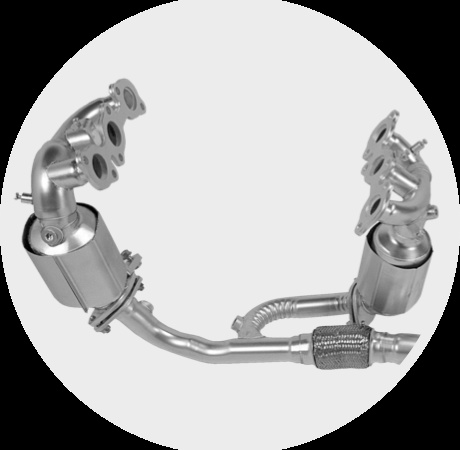
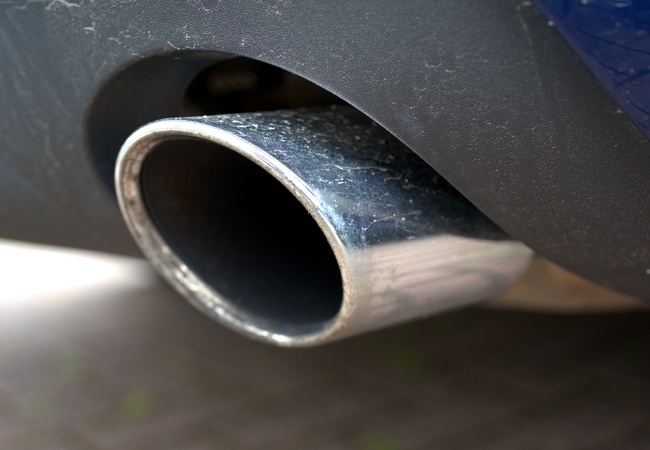
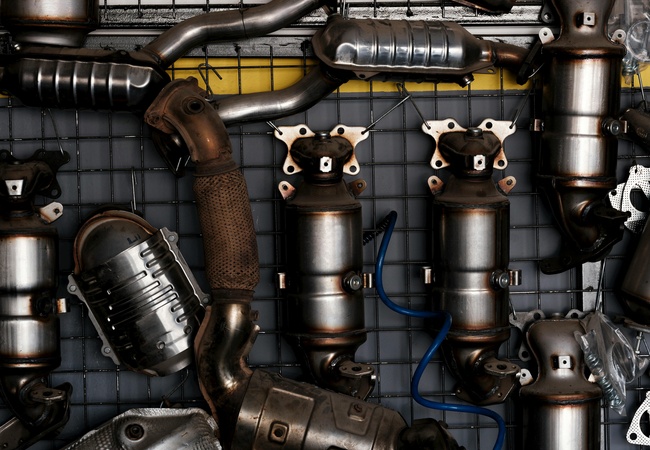
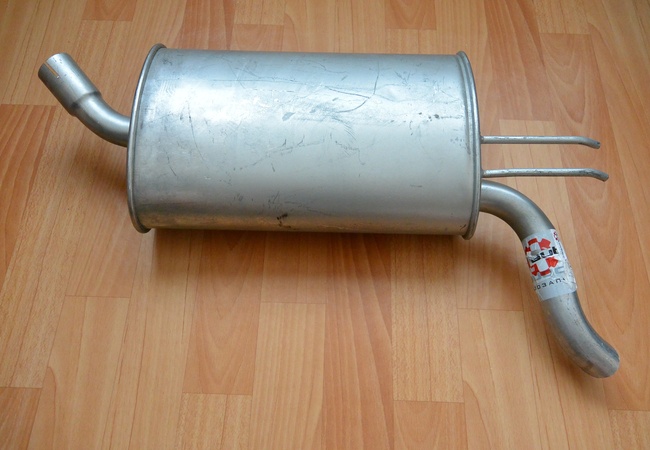
An exhaust system is a critical component of a vehicle designed to safely guide harmful gases produced during engine combustion away from the engine and out of the car. When fuel burns inside the engine, it creates exhaust gases such as carbon monoxide, nitrogen oxides, and hydrocarbons, which must be efficiently removed to ensure proper engine operation and to protect passengers from exposure. The exhaust system works as a channel that directs these gases from the engine through a series of connected parts before releasing them into the atmosphere. The system typically begins with the exhaust manifold, which collects gases from multiple engine cylinders into a single pipe. From there, the gases pass through the catalytic converter, where harmful emissions are chemically transformed into less toxic substances before being released. This process helps reduce environmental pollution and ensures that the vehicle complies with emission regulations. After the catalytic converter, the gases move through the resonator and muffler, which are responsible for controlling and reducing the noise produced by the engine during operation. Without these components, vehicles would produce extremely loud and unpleasant sounds. In addition to managing emissions and noise, the exhaust system also plays a role in maintaining engine performance. A properly functioning exhaust system ensures smooth airflow, which helps the engine run efficiently and can even improve fuel economy. On the other hand, a damaged or blocked exhaust system can lead to reduced engine power, increased fuel consumption, and potentially harmful leaks. Overall, the exhaust system is essential not only for vehicle performance but also for environmental safety and passenger comfort.