
Blower Motor
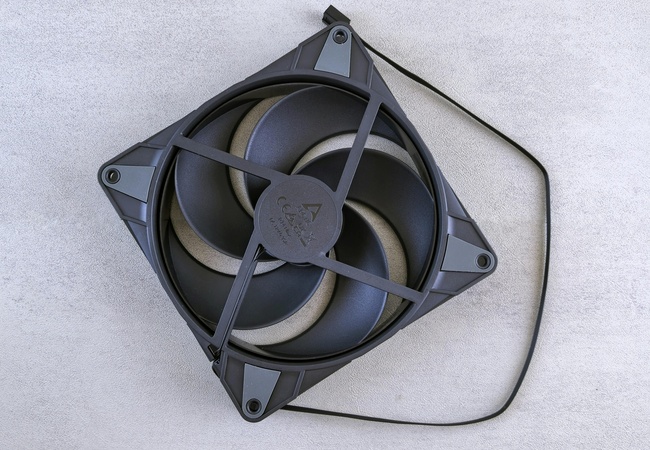
A blower motor is a high-torque DC electric motor integrated with a "squirrel cage" centrifugal fan, serving as the primary air-moving force for a vehicle's climate control system. Typically situated behind the passenger-side dashboard within the HVAC housing, it is engineered to operate quietly while moving large volumes of air. Modern units often utilize brushless designs or high-quality copper windings to ensure durability against the constant friction and heat generated during long-term use. The technical operation of the blower motor involves drawing in air—either fresh from the exterior cowl vents or recirculated from the cabin—and forcing it through the HVAC ductwork. As the driver adjusts the fan speed on the control panel, the vehicle's computer or a blower motor resistor varies the electrical voltage sent to the motor to change its rotation speed. This pressurized air is then pushed over the cold fins of the AC evaporator or the hot tubes of the heater core, where it is conditioned before being distributed through the dashboard vents. The primary importance of the blower motor lies in its critical role in both passenger comfort and driving safety. Beyond maintaining a tolerable cabin temperature, the motor is the heart of the defrosting system; without it, there is no way to move the air necessary to clear condensation or ice from the windshield in hazardous weather. Because it is a high-wear electrical component, common failures include worn internal bearings that cause a squealing noise or a complete electrical burnout that leaves the HVAC system silent and the cabin without airflow.