
Airbags
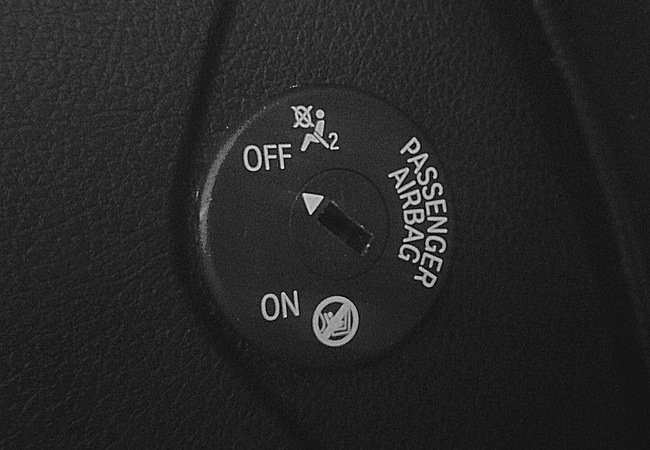
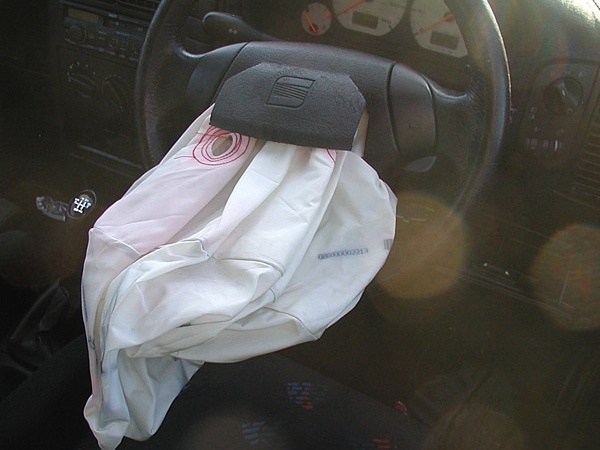
An airbag, or Supplemental Restraint System (SRS), is a sophisticated life-saving device consisting of a flexible nylon fabric cushion, a solid-fuel chemical inflator, and an electronic control unit (ECU). These units are strategically hidden throughout the vehicle's interior—within the steering wheel, passenger-side dashboard, seat bolsters, and roof pillars—to provide a rapid-response cushion that prevents occupants from striking rigid interior surfaces during a collision. They are engineered to work in precise coordination with seat belts to manage the kinetic energy of passengers during a crash. The technical operation of an airbag is centered on a network of impact and G-sensors that monitor for rapid deceleration. When a significant collision is detected, the ECU sends an electrical signal to the inflator, triggering a chemical reaction (typically involving sodium azide or a similar propellant) that generates a massive volume of nitrogen gas. This process is incredibly fast, fully inflating the bag in approximately 20 to 30 milliseconds—significantly faster than the blink of a human eye. Immediately after inflation, the gas escapes through tiny vents in the back of the bag, providing a controlled "soft landing" for the occupant. The primary importance of the airbag system lies in its ability to drastically reduce the risk of fatal head and chest injuries during high-speed impacts. Because it is a "one-time-use" pyrotechnic system, any deployment requires the complete replacement of the airbag module and the resetting of the SRS control module. The system is also self-diagnostic; if the "Airbag" or "SRS" warning light remains illuminated on the dashboard, it indicates a fault—such as a depleted backup capacitor or a damaged clock spring—that may prevent the bags from deploying when needed, necessitating immediate professional inspection to ensure passenger safety.