
AC Compressor
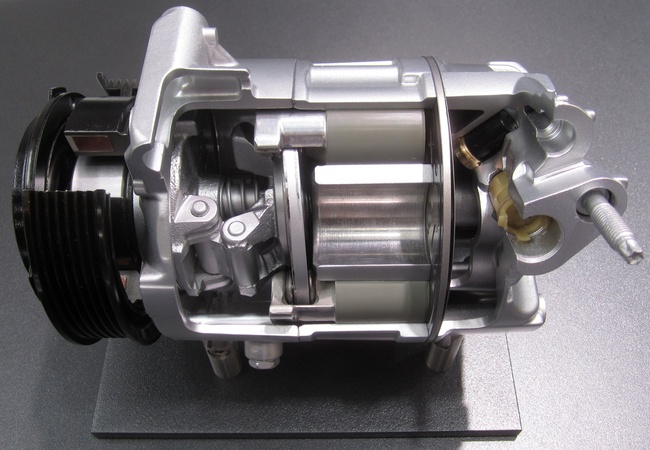
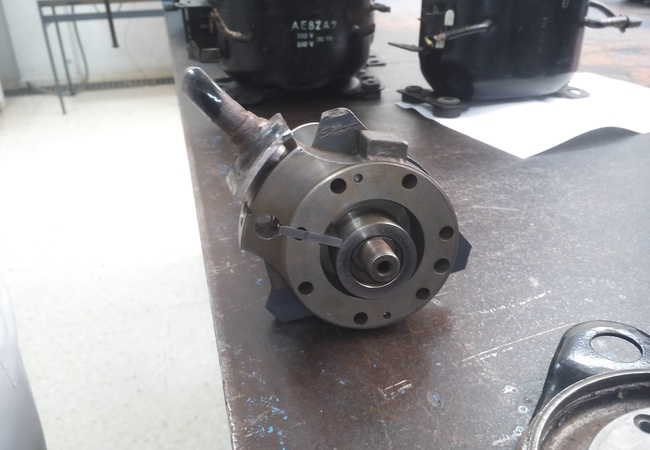
The AC compressor is the mechanical heart of a vehicle's air conditioning system, typically driven by the engine's serpentine belt via an electromagnetic clutch or a variable-displacement swash plate. Its primary structural role is to act as a high-pressure pump that circulates refrigerant through the sealed HVAC loop. Constructed from heavy-duty aluminum to dissipate heat, the compressor houses internal pistons or a scroll mechanism designed to handle the intense pressures required for the refrigeration cycle. The technical operation of the compressor involves drawing in low-pressure, cool refrigerant gas from the evaporator and compressing it into a high-pressure, high-temperature gas. This rapid compression is a critical thermodynamic step, as it significantly raises the refrigerant's temperature above the ambient outside air, allowing it to shed heat as it passes through the condenser at the front of the car. To prevent internal friction and seize-ups, the compressor also circulates a specialized PAG or POE oil, which is pre-mixed with the refrigerant to lubricate its high-speed internal moving parts. The primary importance of the AC compressor lies in its dual role of providing cabin comfort and safety. In addition to cooling the interior during summer months, the compressor is vital for the defrosting system in winter, as it acts as a dehumidifier to quickly clear condensation from the interior glass. Because it is a high-precision component, it is highly sensitive to moisture or debris in the system; a "seized" compressor can not only kill the air conditioning but can also snap the drive belt, potentially leaving the vehicle stranded if that same belt powers the alternator or water pump.