
Seats
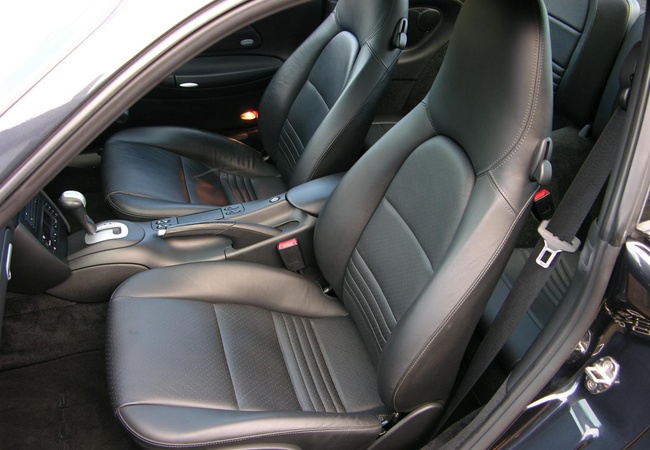
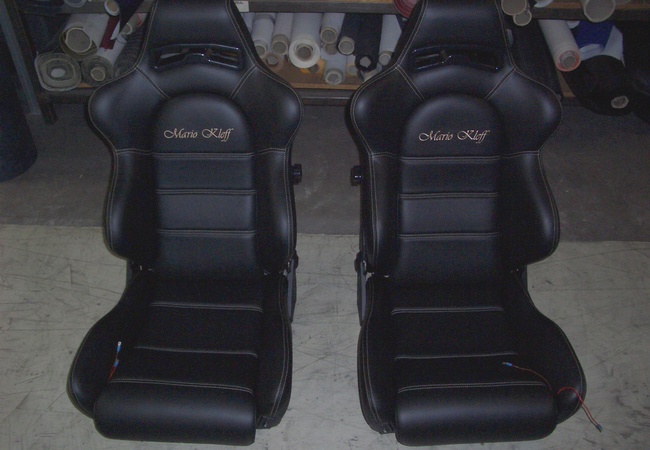
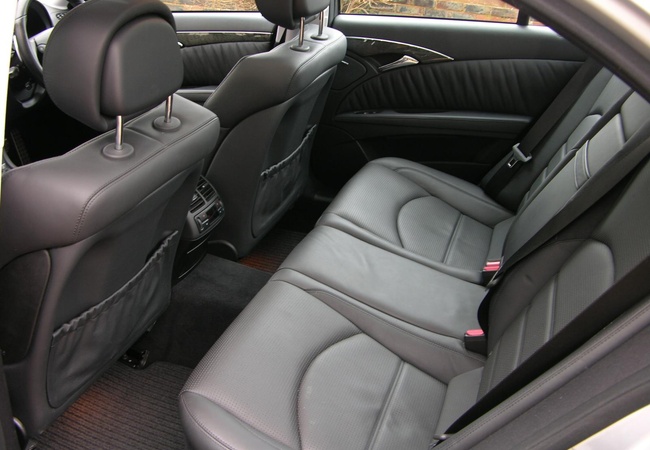
A car seat is a sophisticated structural component designed to provide a secure and ergonomic interface between the passenger and the vehicle. Its primary function is to stabilize the occupant’s body during travel while serving as a critical safety system that works in tandem with seat belts and airbags to minimize injury during a collision. Modern seats are engineered using lightweight, high-strength materials like expanded polypropylene (EPP) and reinforced steel frames to balance durability with vehicle fuel efficiency. The internal architecture of a seat typically includes a rigid frame assembly, a suspension system (such as sinuous springs or flex-mats) to absorb road vibrations, and layers of contoured foam for pressure distribution. Externally, they are finished with various upholstery options, ranging from breathable fabrics and durable vinyl to premium leathers. Key ergonomic features often include adjustable headrests to prevent whiplash, side bolsters for lateral support during cornering, and lumbar mechanisms to maintain the natural curve of the spine. Advanced seating technology has transformed these components into "intelligent" furniture equipped with diverse climate and comfort systems. Many modern vehicles feature power-adjustable tracks with memory settings, integrated heating and ventilation elements, and even massage functions. Additionally, seats often house specialized sensors that detect occupant weight to optimize airbag deployment and include standardized anchor points (such as ISOFIX or LATCH) for the secure installation of child safety restraints.