
Audio Systems
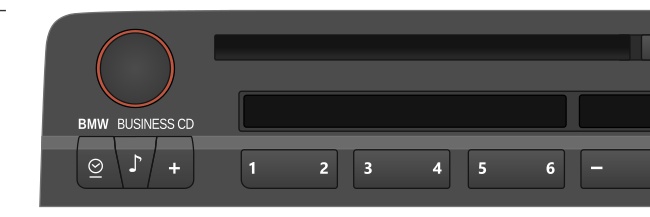
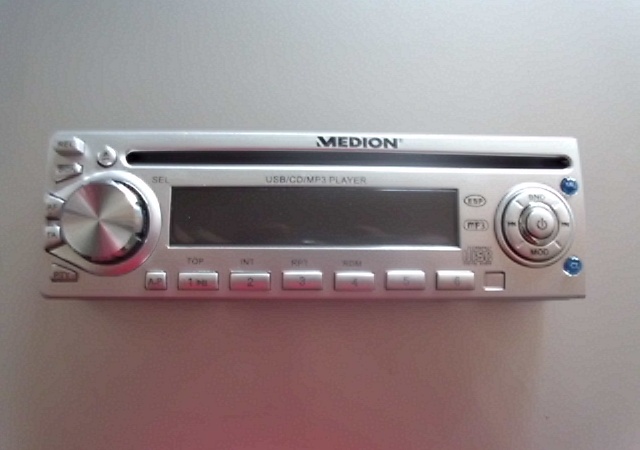
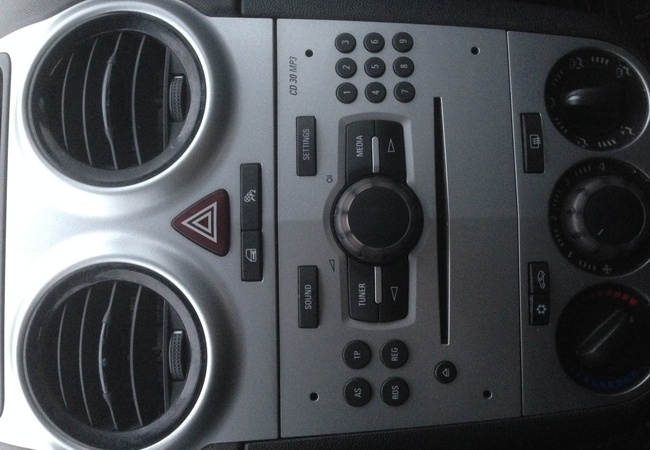
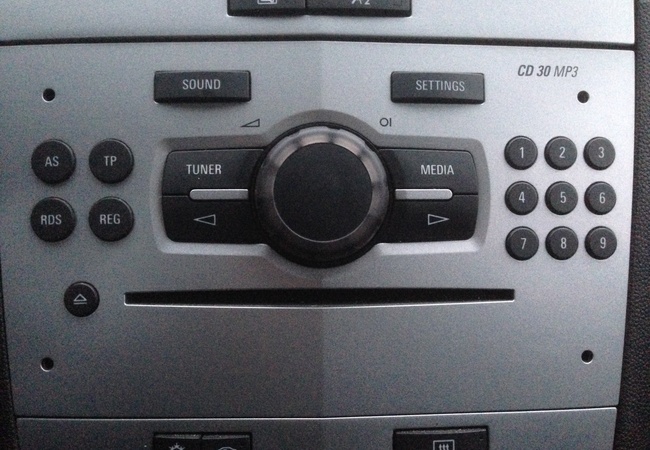
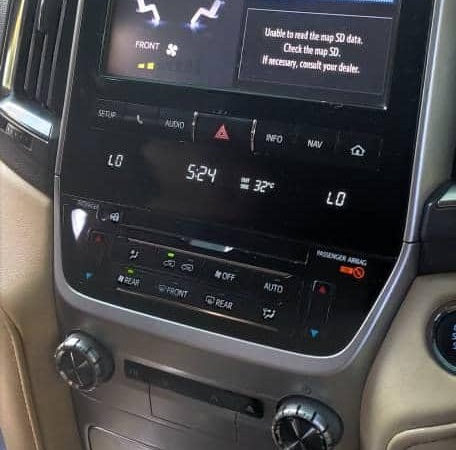
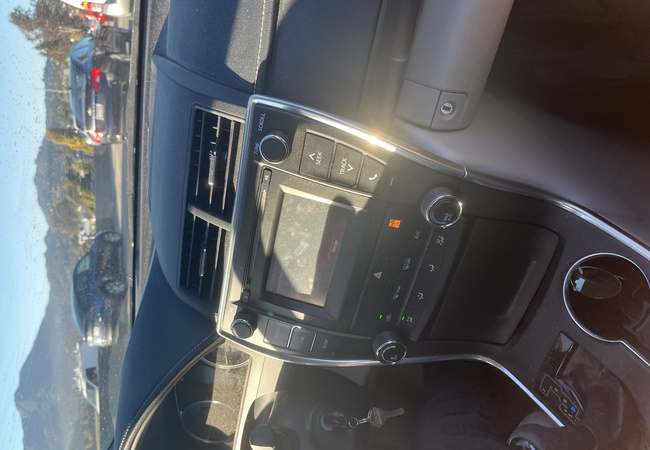
The modern automotive audio system is a complex multimedia hub often referred to as "infotainment." At its center is the "Head Unit" or Integrated Center Stack (ICS), which contains the processor, radio tuner, and amplifier. This unit is connected via the vehicle’s data network (like CAN or MOST) to various inputs, including the steering wheel controls, GPS antenna, and smartphone integration modules like Apple CarPlay or Android Auto. Operationally, the system converts digital signals from various sources—Bluetooth, satellite, or USB—into analog electrical pulses. These pulses are sent to the speakers, which use voice coils and magnets to vibrate a paper or composite cone, creating sound waves. High-end systems may include a dedicated "External Amplifier" and a "Digital Signal Processor" (DSP) that uses "Active Noise Cancellation" to pipe in out-of-phase sound waves, effectively "canceling" road and engine noise for a quieter cabin. The audio system has become a central part of the driving experience, not just for music but for safety. It provides audible alerts for parking sensors, integrates the hands-free microphone for phone calls, and displays the backup camera feed. Because it is so deeply integrated into the car’s dashboard electronics, replacing a modern factory head unit with an aftermarket one often requires complex wiring adapters to retain control over other vehicle settings like the climate or lighting.