
Center Console
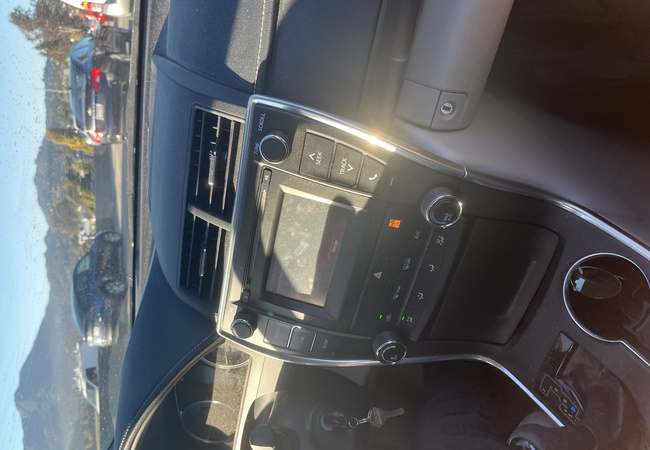
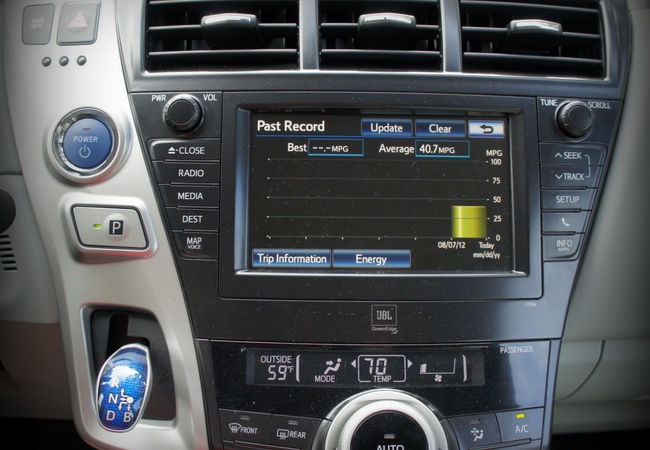
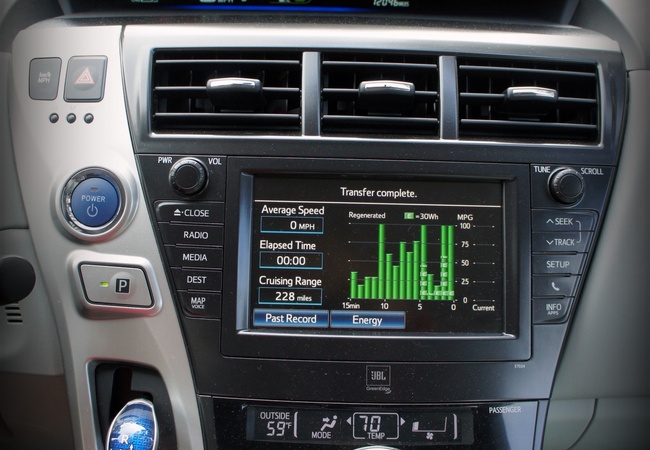
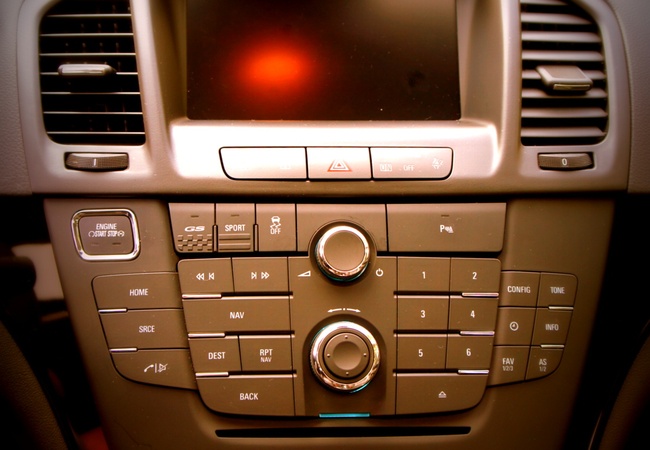
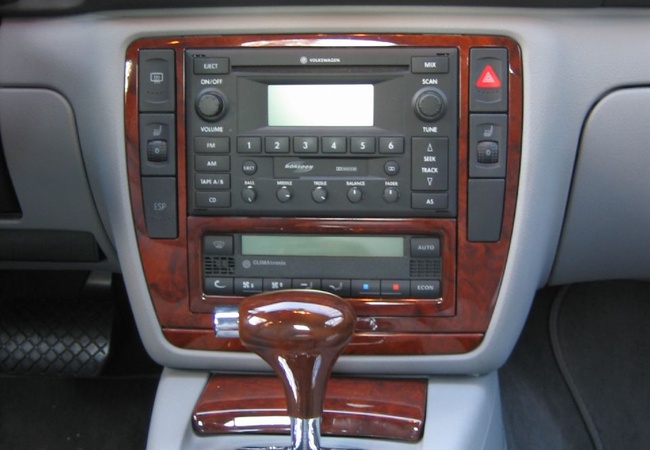
The center console is a key structural and functional component located between the driver and front passenger seats in most vehicles. It extends from the lower dashboard area toward the rear of the cabin and serves as a centralized hub for both vehicle controls and storage. Typically, it houses essential features such as the gear selector, handbrake (or electronic parking brake), cup holders, and armrest, making it one of the most frequently used areas within the car’s interior. Its design varies widely depending on the vehicle class, ranging from simple utility layouts in economy cars to highly ophisticated, technology-integrated systems in luxury models. From a design and ergonomic standpoint, the center console is engineered to provide easy access and intuitive control of key driving functions. Modern center consoles often integrate infotainment controls, climate control interfaces, wireless charging pads, USB ports, and even touchscreens or rotary controllers. In higher-end vehicles, the console may also feature premium materials such as leather, brushed aluminum, wood trims, or ambient lighting to enhance the cabin’s aesthetic appeal and comfort. The layout is carefully structured to minimize driver distraction while maximizing convenience and usability. In addition to control and aesthetics, the center console plays a practical role in interior organization and passenger comfort. It commonly includes storage compartments for personal items, sliding or hinged armrests for added support, and sometimes rear-facing air vents or controls for backseat passengers. In some vehicles, especially SUVs and luxury sedans, the center console may extend into the rear seating area, offering additional functionality such as climate controls or entertainment options. Overall, the center console is an essential component that blends functionality, comfort, and design, contributing significantly to the overall driving experience.