
Pedals
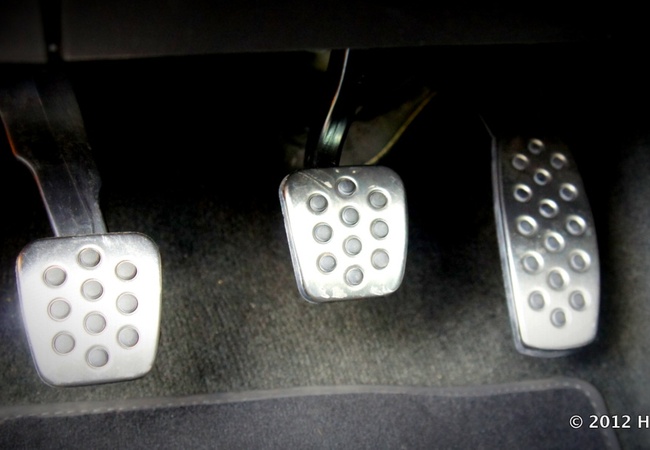
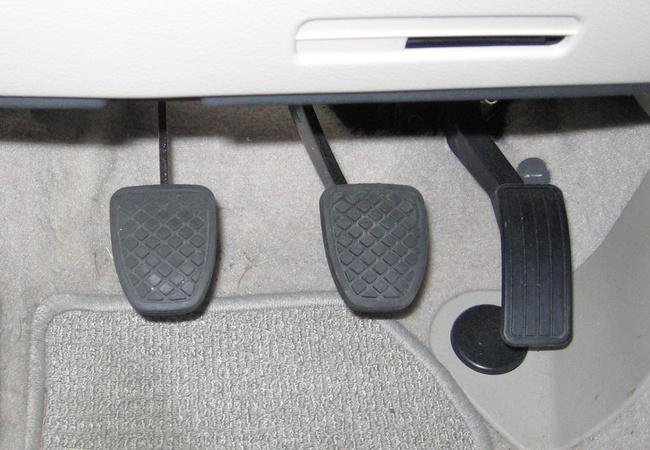
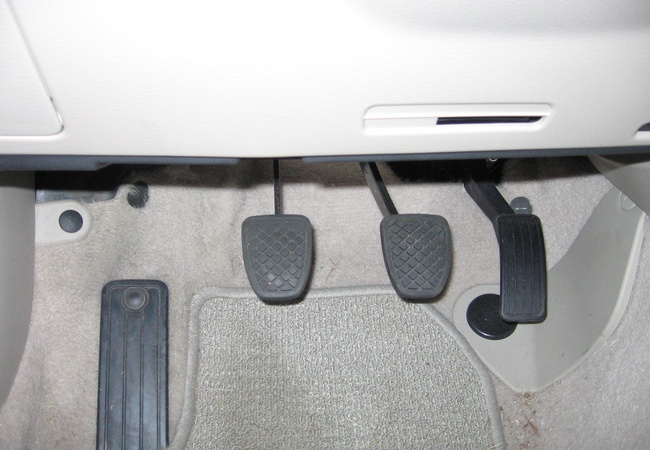
Car pedals are the primary foot-operated controls that allow a driver to manage a vehicle’s speed, acceleration, and engine engagement. Located in the driver's footwell, they serve as the critical interface for modulating power and braking force. In a standard layout, these pedals are arranged from right to left as the accelerator (gas), the brake, and—in manual transmission vehicles—the clutch. Their placement is standardized globally to ensure that drivers can instinctively transition between vehicles without confusion. The mechanical design of each pedal varies based on its specific function and the vehicle's "drive-by-wire" or hydraulic systems. The accelerator is typically a long, narrow lever that uses electronic sensors to signal the engine's throttle body. The brake pedal is wider and positioned slightly higher to be easily found in emergencies; it is connected to a vacuum-assisted hydraulic cylinder that multiplies the force of the driver's foot to clamp the brake pads against the rotors. In manual cars, the clutch pedal is used to temporarily disconnect the engine from the transmission, allowing the driver to change gears smoothly. Modern pedal assemblies focus heavily on safety and ergonomics, often featuring anti-slip surfaces made of rubber or brushed aluminum to ensure a firm grip in wet conditions. Many vehicles also include a "dead pedal" or footrest to the far left, which provides a stable platform for the driver's bracing foot during cornering and reduces fatigue on long trips. In high-performance or luxury models, adjustable pedal boxes allow the driver to electronically move the entire assembly closer or further away, ensuring a perfect driving position regardless of the driver's height.