
Gear Shifters
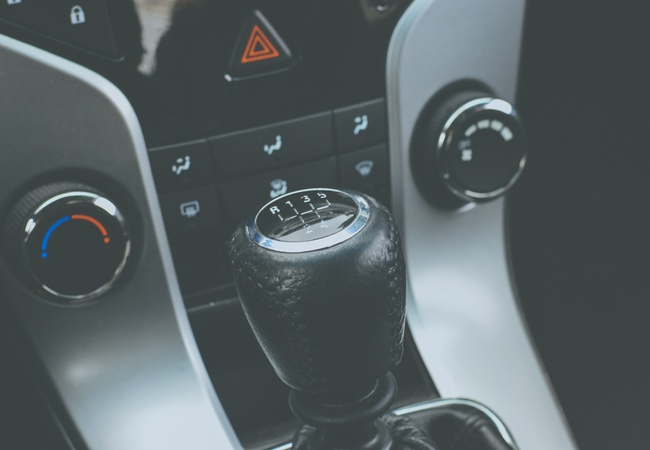
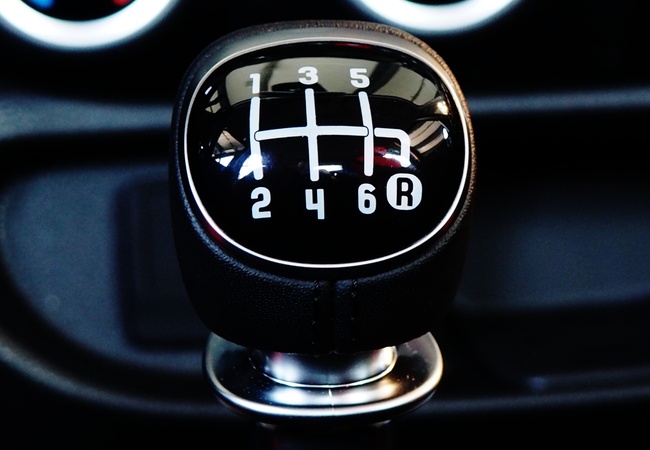
A gear shifter is the primary mechanism that allows a driver to communicate with the vehicle's transmission, determining whether the car moves forward, reverses, or stays in neutral. While the gear knob is the physical handle, the shifter encompasses the entire assembly—including the lever, linkage, and internal sensors—that physically or electronically engages different gear ratios. It acts as a critical bridge between human input and mechanical output, ensuring the engine’s power is correctly applied to the wheels based on driving conditions. In traditional manual transmissions, the shifter is a mechanical lever connected via cables or metal rods directly to the gearbox. The driver must physically move the shifter through a "gate" (usually an H-pattern) while coordinating with a clutch pedal to sync engine speed with the chosen gear. In contrast, automatic shifters typically move along a linear track (P-R-N-D-S) and often include a "lock-out" button to prevent accidental shifts into reverse or park while the vehicle is in motion. Modern automotive design has seen a major shift toward electronic shifters (shift-by-wire), which replace heavy mechanical linkages with electrical signals. This technology has enabled a diverse range of form factors beyond the traditional stick, including rotary dials, push-buttons on the dashboard, and steering-column-mounted stalks. These electronic systems often include safety "auto-park" features that automatically shift the car into Park if the driver opens the door or turns off the engine while still in gear.