
Gear Knob
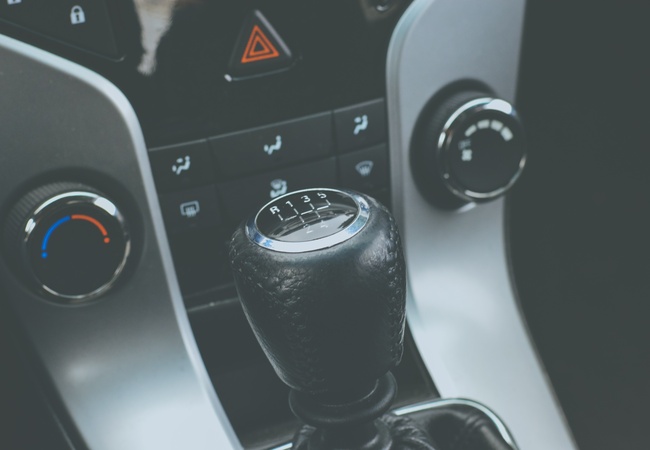
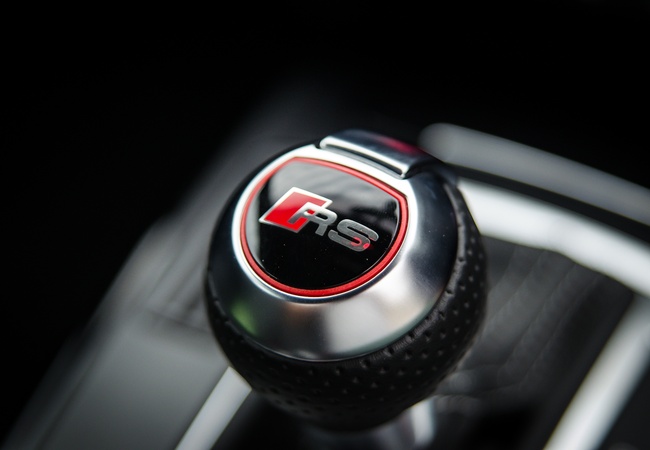
A gear knob, also known as a shift knob, is the physical interface between the driver’s hand and the vehicle’s transmission system. Its primary purpose is to provide a secure, ergonomic grip that allows the driver to change gears smoothly, whether operating a manual stick shift or an automatic selector. Beyond its functional role, the gear knob serves as a central aesthetic element of the car's interior, often reflecting the vehicle's character—ranging from rugged utility to high-performance sportiness.The construction of a gear knob typically involves a weighted core—often made of metal or dense plastic—to provide a satisfying "throw" and tactile feedback during gear changes. This core is then wrapped in various materials such as leather, polished aluminum, carbon fiber, or high-grade resin. In manual transmission vehicles, the top of the knob usually features a shift pattern diagram (a map of the gear positions), while automatic knobs may include a trigger or button to unlock the lever from "Park" or "Reverse" positions. Modern gear knob technology has shifted significantly with the rise of "shift-by-wire" systems, where there is no physical linkage to the gearbox. This has led to the emergence of rotary dials, push-button selectors, and even joystick-style electronic shifters that return to a center position after every use. Some high-end performance knobs even integrate customizable lighting or "manettino" style switches to change driving modes, blending traditional tactile control with advanced digital functionality.