
Dashboard Components
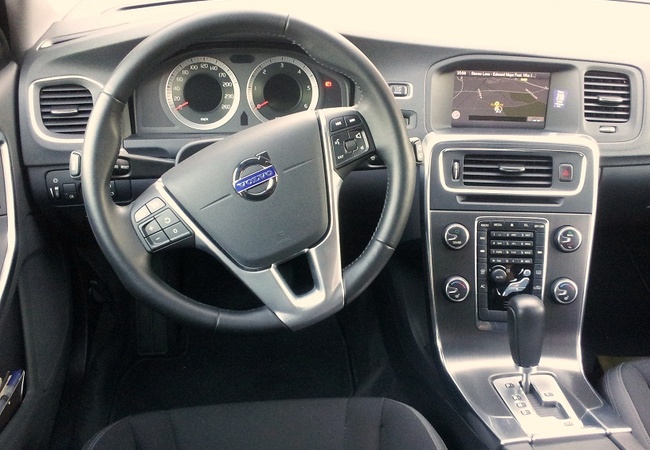
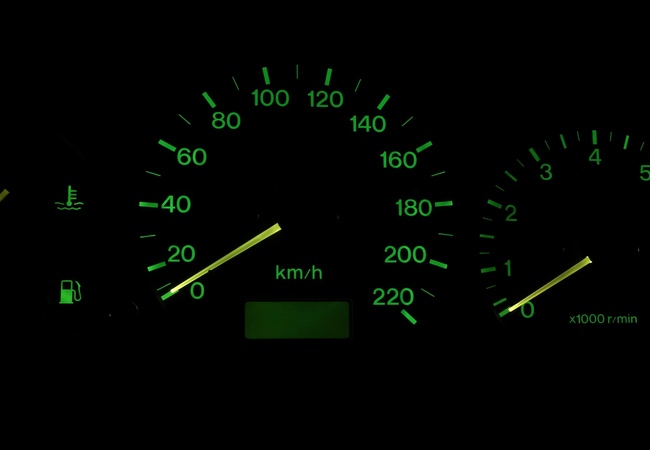
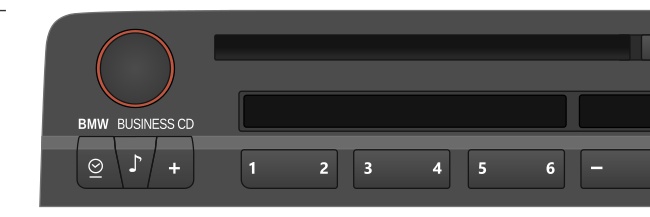
A car dashboard, also known as the instrument panel, is the central control hub of a vehicle's interior, providing the driver with critical information and a primary interface for operation. Historically designed as a simple board to deflect debris (hence the name "dash"), it has evolved from a few basic analog gauges into a sophisticated "central nervous system" that integrates mechanical, electronic, and software systems. Modern dashboards are engineered for ergonomics and safety, ensuring that vital data is visible within the driver's primary field of view to minimize distraction. The dashboard is typically divided into several functional zones: Instrument Cluster: Directly behind the steering wheel, this houses the speedometer (road speed), tachometer (engine RPM), fuel gauge, and odometer. It also contains a hierarchy of color-coded warning lights: red for immediate danger (e.g., brake failure, low oil pressure), amber/yellow for advisories (e.g., check engine, low tire pressure), and green/blue for active systems (e.g., high beams, cruise control). Center Stack & Infotainment: The central area often features a touchscreen display or head unit for navigation, audio, and smartphone connectivity. Below or integrated into this screen are the climate control panel (for temperature and airflow) and secondary switches like the hazard light button