
Turbocharger
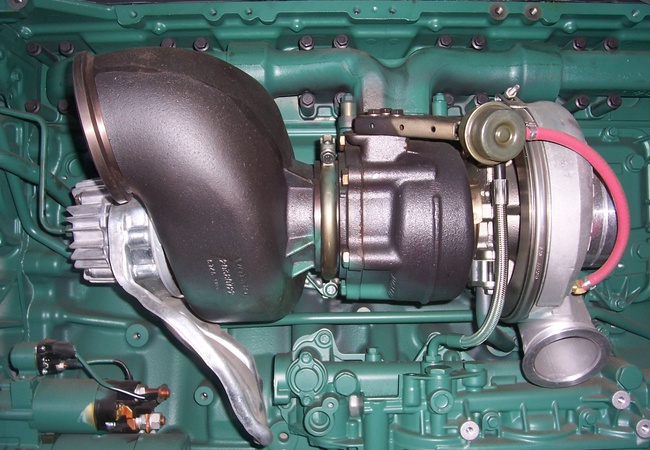
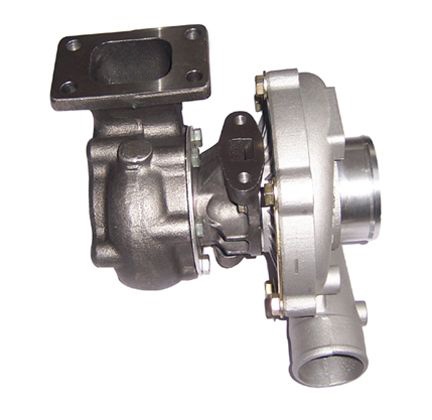
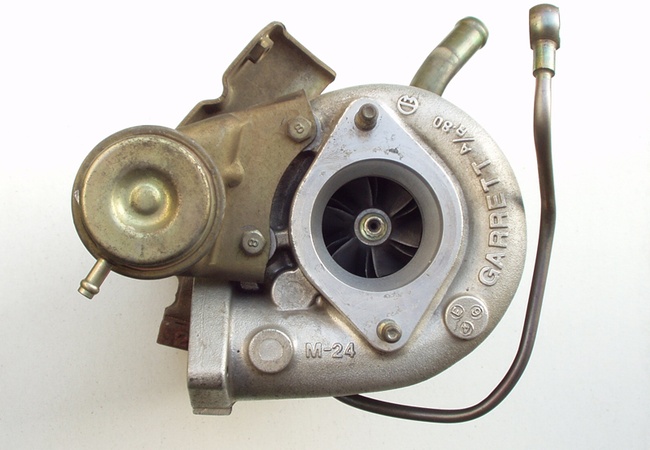
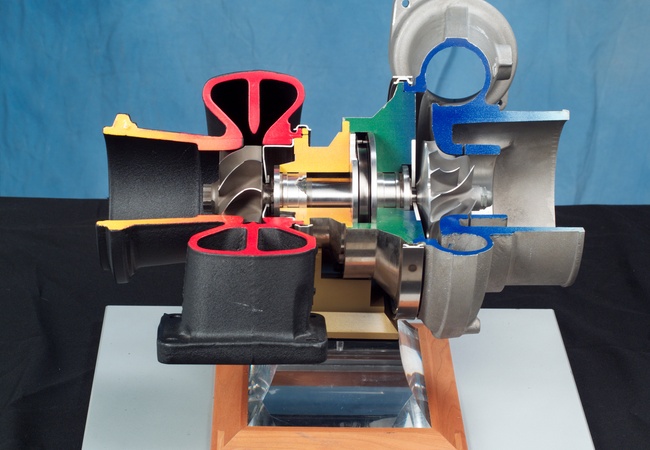
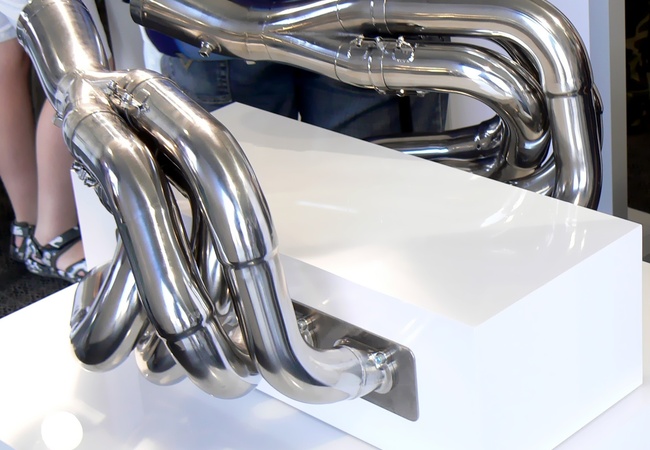
A turbocharger, or turbo, is a turbine-driven forced induction device that increases an engine's efficiency and power output. It works like a "lung capacity booster," forcing more oxygen-rich air into the combustion chamber than a naturally aspirated engine can draw in on its own. By packing more air into the cylinders, the engine can burn more fuel more completely, resulting in a more powerful explosion and significantly higher horsepower. The system operates by capturing "waste" energy from the engine's exhaust stream. Hot exhaust gases are routed through a turbine housing, where they spin a turbine wheel at incredibly high speeds—often up to 200,000 or even 350,000 RPM. This turbine is connected via a shared shaft to a compressor wheel on the intake side; as the turbine spins, the compressor draws in ambient air, squeezes it into a dense charge, and pumps it into the engine. Because the compression process generates significant heat, most modern systems include an intercooler to cool the air before it enters the engine, further increasing its density and preventing engine knock. Safety components like a wastegate or blow-off valve are used to regulate this "boost" pressure and prevent the turbo from over-spinning or damaging the engine. This technology allows manufacturers to use smaller, more fuel-efficient engines that still deliver the high performance of much larger ones