
Flywheel
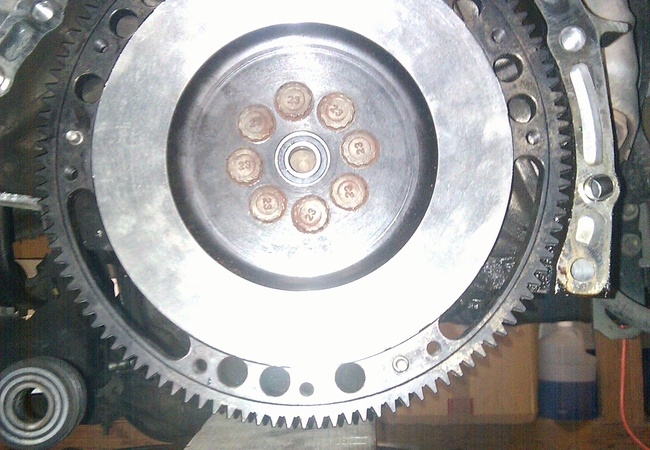
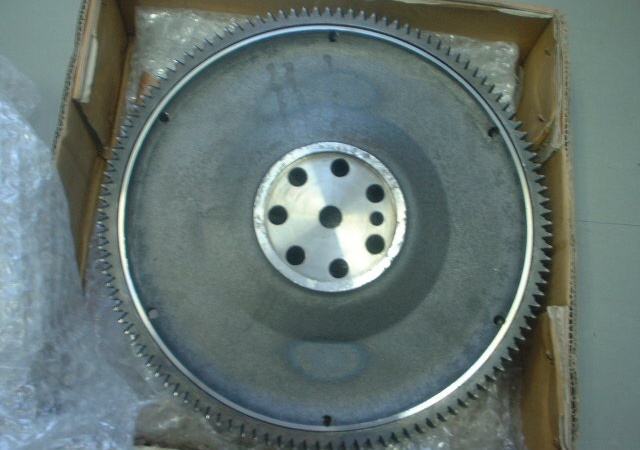
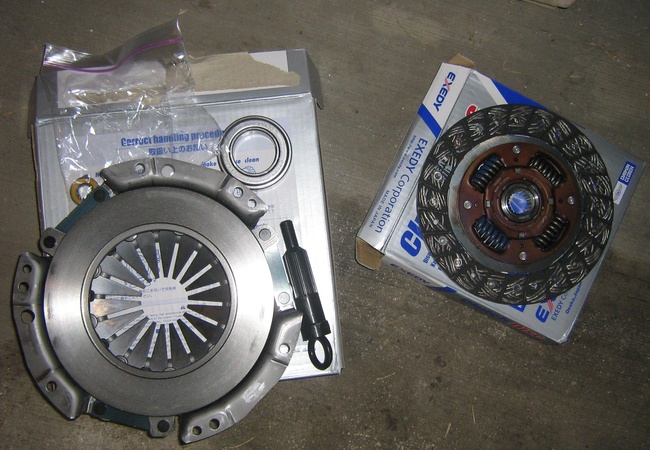
A car's flywheel is a heavy, circular metal disc bolted directly to the end of the engine's crankshaft. Its primary purpose is to act as a kinetic energy reservoir, using its rotational mass (inertia) to smooth out the power pulses created by the cylinders. Because an internal combustion engine only generates power during the "combustion" stroke, the flywheel provides the momentum necessary to keep the crankshaft spinning steadily through the intake, compression, and exhaust strokes. Beyond smoothing out engine vibrations, the flywheel serves as the vital mounting surface for the clutch assembly in manual transmissions. One side of the flywheel is perfectly flat and smooth, allowing the clutch disc to press against it to create friction. When the clutch is engaged, the flywheel locks the engine and transmission together, transferring the engine's rotational energy into the gearbox to move the vehicle's wheels. On the outer edge of the flywheel sits a "ring gear"—a circle of metal teeth that plays a crucial role in starting the car. When you turn the ignition key or press the start button, the starter motor's small pinion gear extends and interlocks with these teeth. The motor then spins the massive flywheel, which in turn rotates the crankshaft to initiate the engine's first combustion cycles until it can run on its own power. Modern vehicles often use a specialized version called a Dual-Mass Flywheel (DMF) to improve cabin comfort. A DMF consists of two separate discs connected by internal springs that act as a dampener for the intense torsional vibrations produced by high-torque engines, especially diesels. Whether a solid piece of steel or a complex dual-mass unit, the flywheel is the unsung hero that balances engine rhythm, enables gear changes, and facilitates every single engine start.