
Radiator
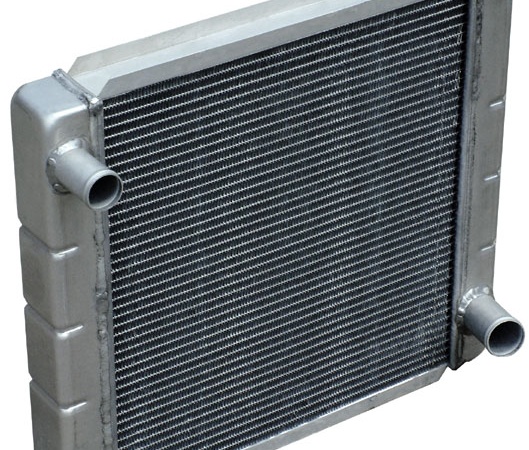
A car radiator is a key component of a vehicle’s cooling system, designed to regulate engine temperature and prevent overheating. It works by dissipating heat generated during engine operation, ensuring that the engine maintains an optimal operating temperature. Without an efficient radiator, excessive heat buildup can lead to engine damage, reduced performance, and potential mechanical failure. The radiator is typically constructed from lightweight metals such as aluminum, combined with plastic or metal tanks. It consists of a network of thin tubes and fins that maximize surface area for heat exchange. Coolant (a mixture of water and antifreeze) flows through these tubes, absorbing heat from the engine. As air passes through the radiator—either from vehicle motion or a cooling fan—the heat is transferred from the coolant to the surrounding air, effectively lowering the coolant temperature before it recirculates back into the engine. In terms of operation, the radiator works in conjunction with other cooling system components such as the water pump, thermostat, cooling fan, and hoses. The thermostat regulates coolant flow based on engine temperature, while the water pump circulates coolant through the system. The radiator cap maintains proper pressure within the system, improving cooling efficiency. Together, these components ensure consistent temperature control under various driving conditions.