
Gearbox
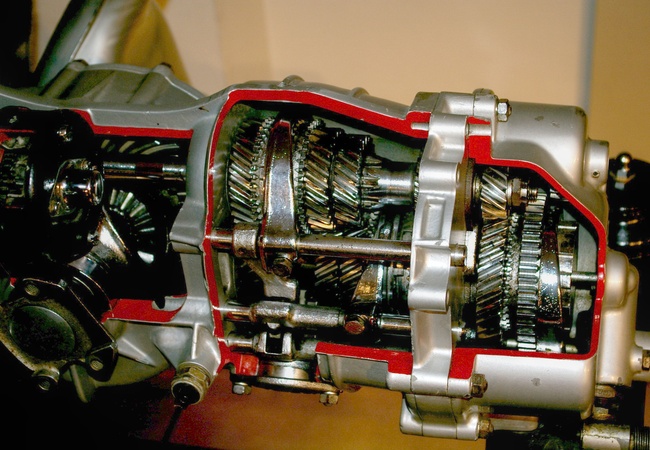
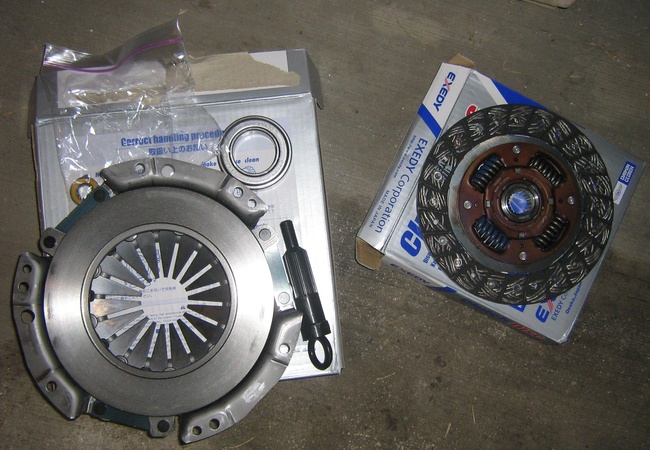
A car gearbox, or transmission, acts as the intermediary between the engine and the wheels, translating raw power into usable speed. Its primary job is to manage torque—providing the heavy force needed to move a heavy car from a standstill in low gears, while allowing the wheels to spin fast with less effort during high-speed highway cruising. Without a gearbox, an engine would either lack the power to start moving or would quickly over-rev and sustain damage at higher speeds. The internal mechanics of a gearbox rely on a series of interlocking gears of various sizes attached to input and output shafts. By shifting between these gears, the transmission changes the "gear ratio," which dictates how many times the engine must spin to turn the wheels once. In a manual setup, the driver uses a clutch to momentarily disconnect the engine from the transmission to swap gears, while an automatic system uses hydraulics or electronics to handle these transitions seamlessly. Modern vehicles typically use one of four main gearbox designs to suit different driving needs. Manuals offer direct control, automatics provide convenience, CVTs use a belt-and-pulley system for infinite ratios and better fuel economy, and Dual-Clutch (DCT) systems offer high-performance, rapid-fire shifting. Regardless of the type, every gearbox requires specialized transmission fluid to lubricate moving parts and dissipate the intense heat generated by friction