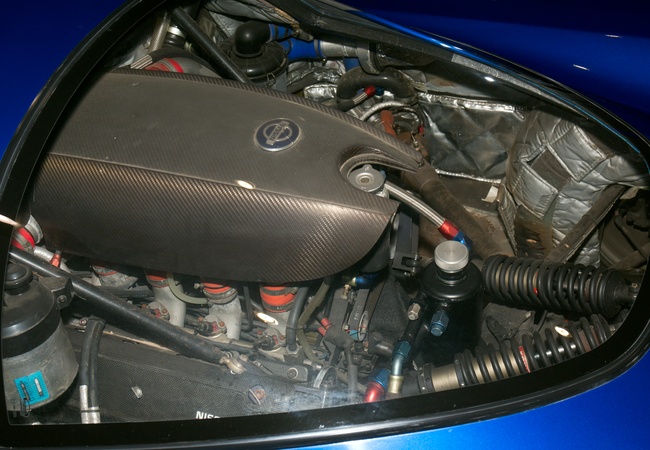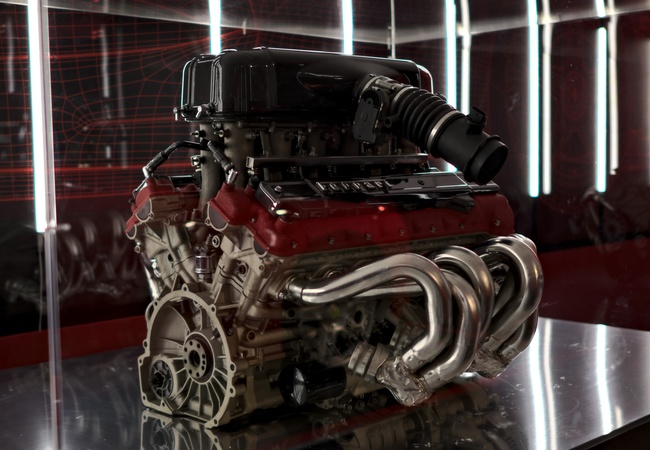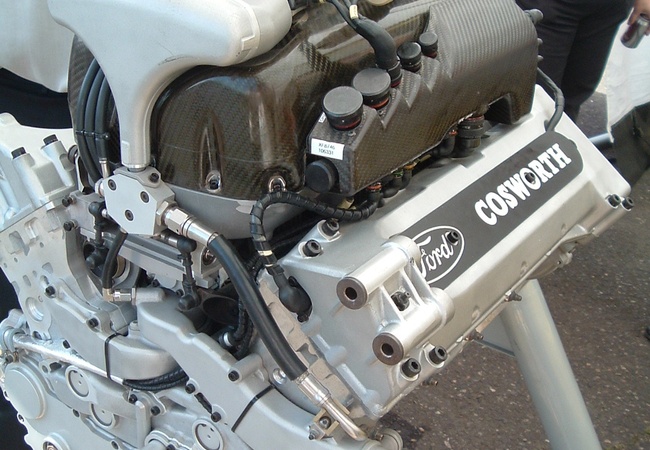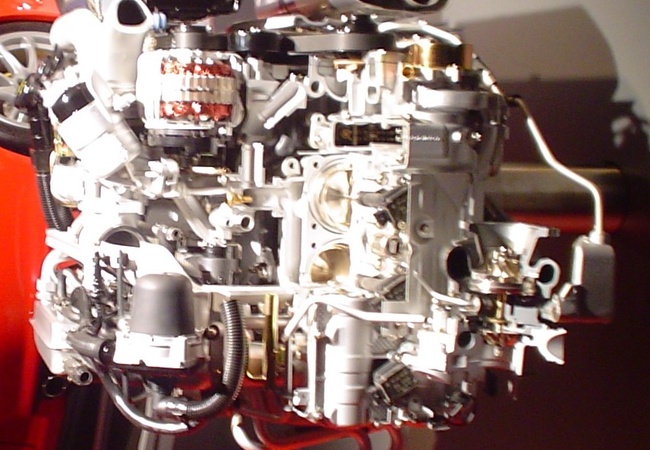

Engine
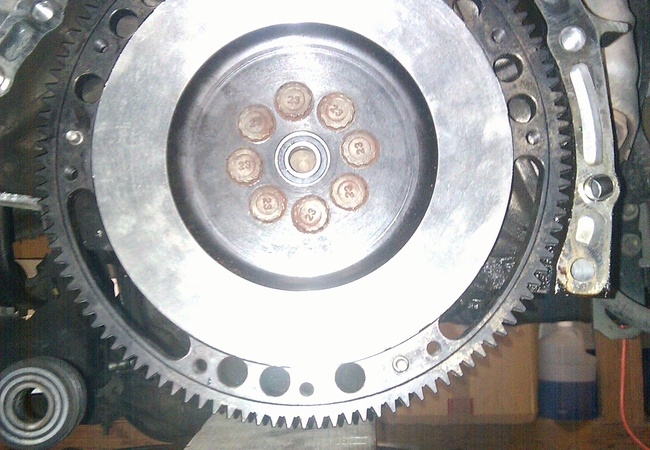
At its core, a car engine is a machine that converts the chemical energy of fuel into mechanical motion, usually through an internal combustion process. Most engines follow a "four-stroke cycle"—intake, compression, power, and exhaust—where a fuel-air mixture is ignited to force pistons down, creating the physical force needed to move the vehicle. The engine's structure relies on several heavy-duty parts working in perfect sync. The engine block houses the cylinders where the action happens, while the pistons and crankshaft work together to turn linear up-and-down movement into the rotational energy that eventually spins the wheels. A camshaft ensures the valves open and close at the exact right millisecond to keep the process running smoothly. To stay functional, the engine is supported by vital systems that manage heat and friction. A cooling system circulates fluid to prevent overheating, while an oil system lubricates moving metal parts to prevent them from grinding apart. Together, these components and layouts—whether arranged in a line, a "V," or flat—determine a car's power, efficiency, and overall performance.