
Wheels
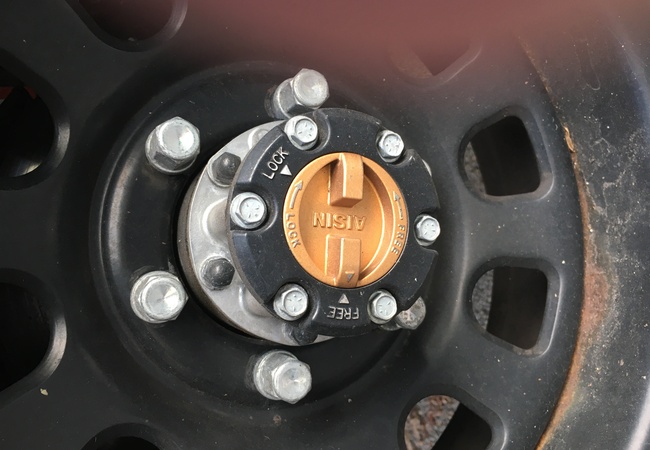
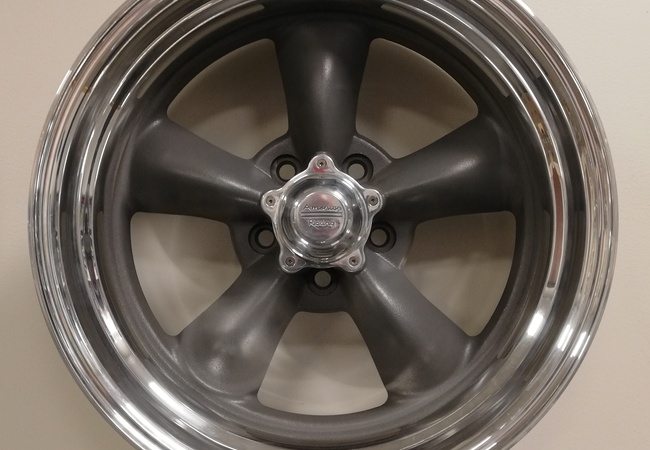
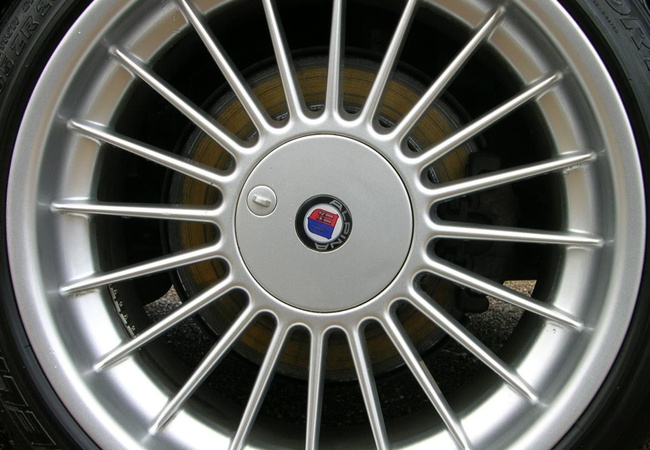
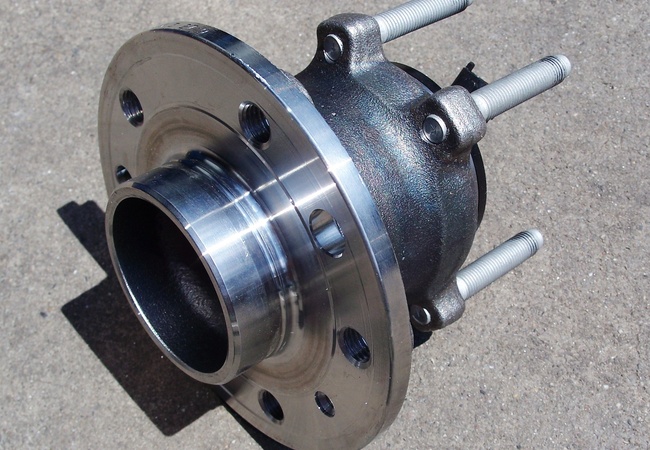
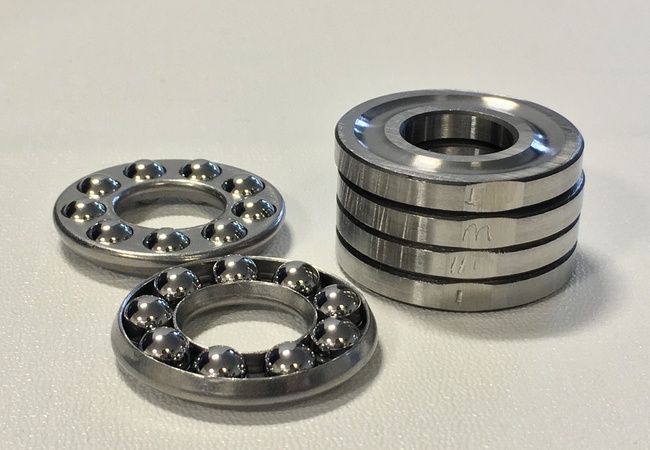
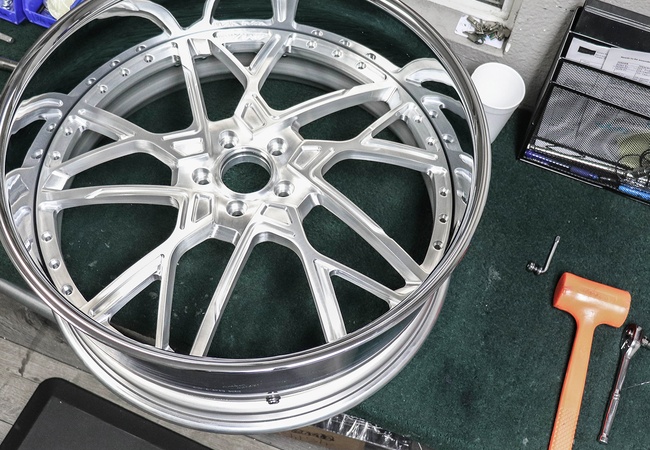
A car wheel is a circular assembly designed to support the vehicle's weight and convert the engine's rotational energy into linear motion. At its core, the wheel consists of a hub—the central point that attaches to the axle—and a rim, the outer metal ring that holds the tire in place. These components work together to provide a stable foundation for the vehicle while enabling the movement, braking, and steering inputs required for safe driving. The structural integrity of a wheel is maintained by its internal parts, such as the spokes or center disc, which connect the hub to the rim and distribute forces evenly. Modern wheels are typically made from steel for durability and low cost, or aluminum alloy for lighter weight, better heat dissipation, and improved performance. The tire, a rubber pneumatic structure, is mounted onto the rim and secured by "beads" that create an airtight seal against the rim's flanges to maintain pressure. Functionally, the wheel houses critical supporting elements like wheel bearings, which reduce friction to allow smooth rotation, and the valve stem, which facilitates tire inflation. It is fastened to the vehicle's hub assembly using lug nuts or bolts, ensuring it remains securely attached during high-speed travel or sharp turns. Beyond basic mobility, the design and size of a wheel—often ranging from 14 to 22 inches—significantly influence a car's handling, fuel efficiency, and overall aesthetic appeal.