
Wheel Rims
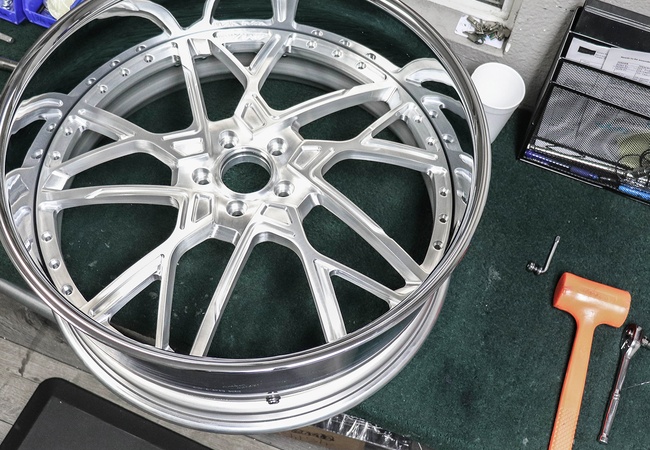
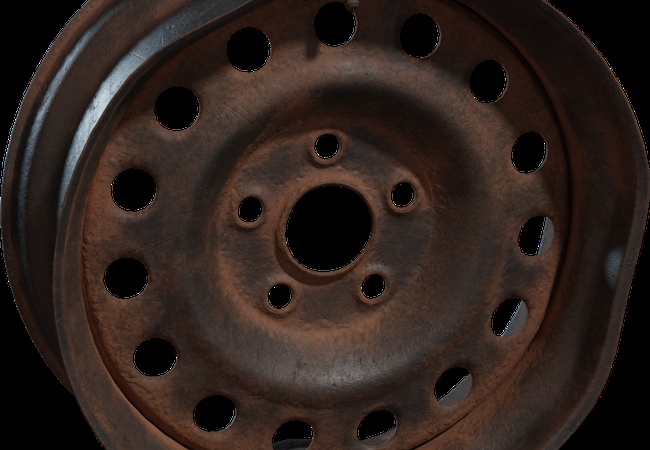
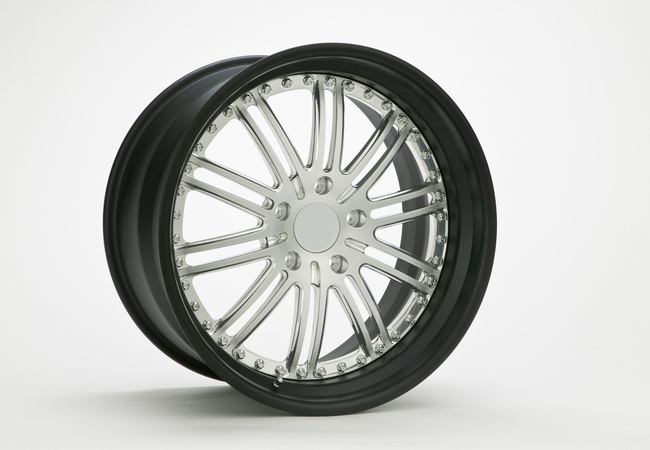
A car wheel rim is the outer circular metal edge of a wheel that provides the structural foundation for the tire. Its primary function is to support the tire's shape and create an airtight seal, known as the bead seat, which is essential for maintaining proper air pressure in modern tubeless tires. By acting as the bridge between the tire and the central wheel hub, the rim is a critical component in the transfer of engine power to the road. The design of a rim includes several specialized zones like the barrel, which serves as the mounting surface, and the flanges, which are flared edges that prevent the tire from slipping off during motion. A key feature is the drop center, a recessed area in the barrel that allows the tire to be stretched over the rim during installation. Beyond these functional parts, the rim's spokes connect the outer edge to the hub, providing the necessary strength to withstand driving forces and impacts from road obstacles like potholes. Rims are manufactured from various materials that significantly impact a vehicle's performance and aesthetics. Steel rims are the most durable and cost-effective, favored for heavy-duty or winter driving due to their high impact resistance. Alloy rims (typically aluminum or magnesium) are the modern standard, offering a lighter weight that improves fuel efficiency, handling, and heat dissipation for better braking performance. For high-performance applications, forged or carbon fiber rims provide the ultimate strength-to-weight ratio, though they come at a much higher cost