
Bearings
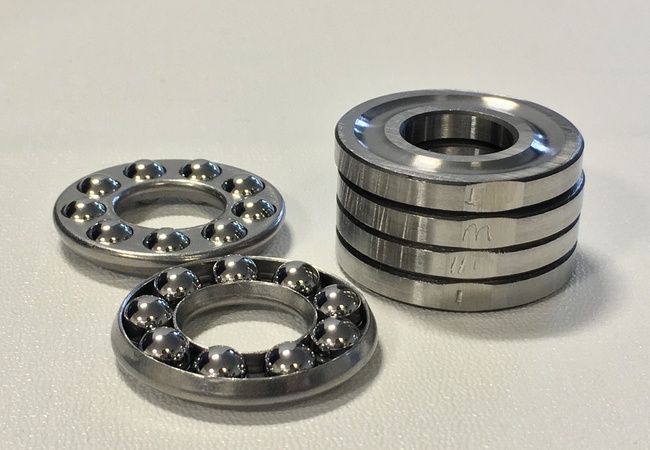
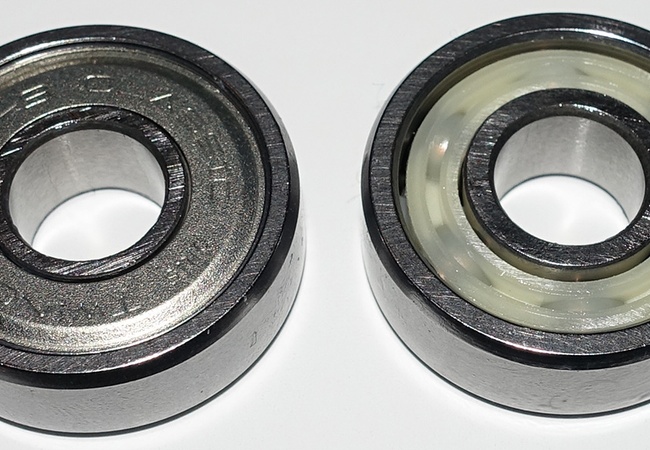
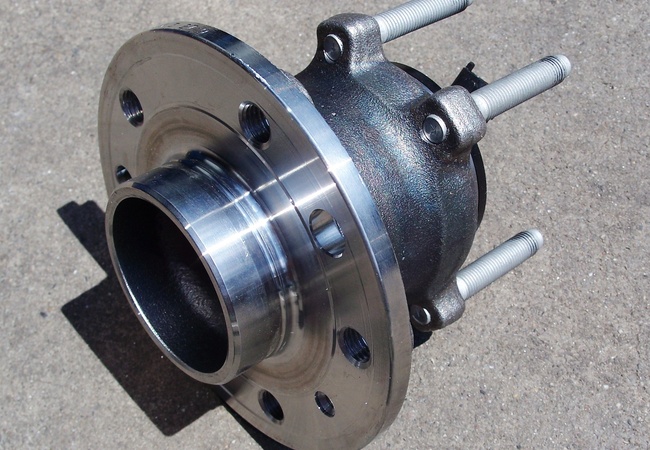
In a vehicle, bearings are high-precision components designed to reduce friction between moving parts, specifically where a rotating shaft meets a stationary housing. By using smooth metal balls or rollers that roll between two rings (races), they allow components like wheels and engine internals to spin freely with minimal resistance. This reduction in friction is essential for preventing parts from overheating, wearing down, or seizing up during operation. The most critical type in a car is the wheel bearing, which sits inside the wheel hub and allows the tire to rotate smoothly while supporting the entire weight of the vehicle. Inside the engine, main bearings and connecting rod bearings (often called "shell" or "sleeve" bearings) provide a cushioned, oil-lubricated surface for the crankshaft to spin against. These engine bearings are designed to handle immense pressure and high speeds, relying on a thin film of pressurized oil to keep metal parts from actually touching. Over time, bearings can fail due to moisture, lack of lubrication, or physical impact, leading to distinct symptoms. A failing wheel bearing usually produces a characteristic low-pitched humming or growling noise that changes with vehicle speed, while failing engine bearings can cause a "knocking" sound and a catastrophic drop in oil pressure. Because they are the "silent enablers" of motion, keeping bearings lubricated and sealed is the most effective way to ensure the long-term reliability of a car’s rotating assemblies.