
Suspension
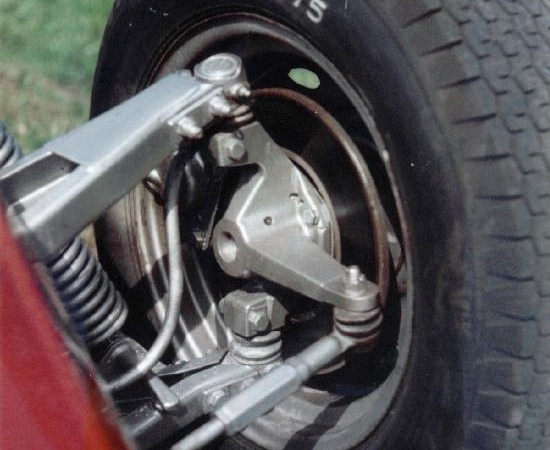
Car suspension is a protective network of shock-absorbing components that connects the vehicle's body to its wheels. It serves a dual purpose: ensuring a smooth ride by isolating passengers from road bumps and maintaining constant tire contact with the road for stable steering, braking, and handling. Without it, every vibration from an uneven surface would be transmitted directly to the cabin and the car's frame. The system relies on three main groups of parts: springs (like coil or leaf types) to support the weight and absorb initial impact; dampers (shock absorbers) to stop the springs from bouncing uncontrollably; and linkages (like control arms and ball joints) that physically hold the wheels in place while allowing them to move up and down. Additional parts like sway bars are often added to reduce "body roll" and keep the car level when turning corners. Modern vehicles typically use independent suspension, where each wheel can move vertically without affecting the others, providing superior comfort and precision. Common designs include the space-saving MacPherson strut used in most passenger cars and the double wishbone setup favored by sports cars for its handling accuracy. For heavy-duty tasks, such as in trucks, a dependent suspension with a solid axle is often used for its extreme durability and load-bearing strength.