
Struts
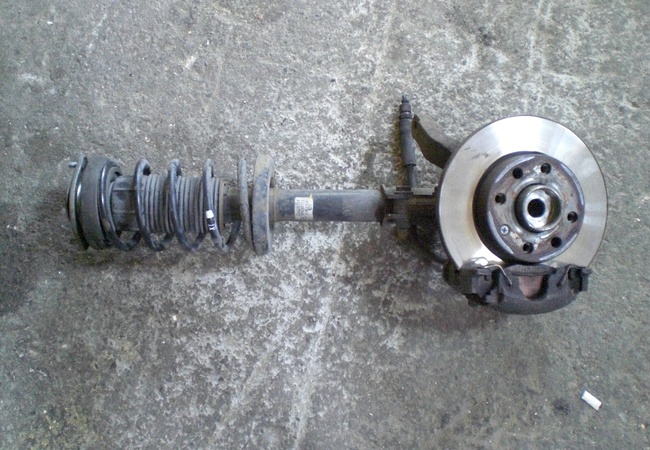
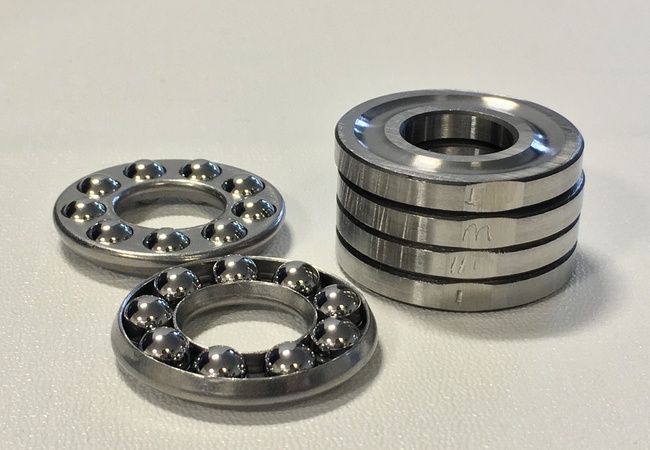
A car strut is a major structural component of the suspension system that combines several functions into a single, compact unit. Unlike a standard shock absorber, which only dampens bounces, a strut acts as a primary support beam that holds the vehicle's weight and maintains the position of the wheel. It is typically mounted to the top of the chassis and the bottom of the wheel hub, serving as a pivot point for the steering system in many front-wheel-drive cars. Structurally, a strut is an assembly consisting of two main parts: a heavy-duty coil spring and a shock absorber (damper) housed inside it. The spring supports the car's frame and absorbs the initial impact of road bumps, while the internal damper controls the spring's movement to prevent the car from oscillating or "pogo-sticking" after a hit. Most assemblies also include a strut mount at the top, which contains a bearing that allows the entire unit to rotate smoothly as you turn the steering wheel. Functionally, struts are essential for maintaining tire-to-road contact and preserving the vehicle's alignment and stability. Because they are integrated into the car's framework, worn-out struts can lead to more than just a bumpy ride; they can cause uneven tire wear, increased braking distances, and poor handling during cornering. Replacing them usually involves swapping the entire assembly to ensure that the spring, damper, and mounting hardware all work together to restore the car's original ride height and safety.