
Springs
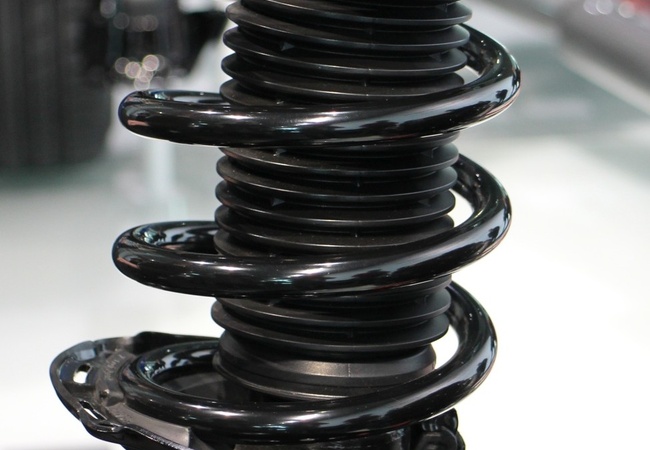
Automotive springs are fundamental components of a vehicle’s suspension system, designed to support the vehicle’s weight, absorb road shocks, and maintain proper ride height. They play a crucial role in ensuring that the tires remain in consistent contact with the road surface, which is essential for stability, handling, and safety. By compressing and expanding in response to road irregularities, springs help smooth out vibrations and provide a more comfortable driving experience. There are several types of springs used in vehicles, including coil springs, leaf springs, and torsion bars, each serving specific applications depending on the vehicle design. Coil springs are the most common in modern passenger cars due to their compact size and efficiency, while leaf springs are often used in trucks and heavy-duty vehicles for their load-bearing capability. Springs are typically made from high-strength steel alloys that can withstand repeated compression cycles and harsh driving conditions without losing their elasticity. In operation, springs work in conjunction with other suspension components such as shock absorbers and struts. While springs absorb and store energy from road impacts, shock absorbers control the rate at which this energy is released, preventing excessive bouncing. A worn or damaged spring can lead to poor ride quality, uneven tire wear, reduced handling stability, and sagging of the vehicle. Regular inspection and maintenance of suspension springs are essential to ensure optimal vehicle performance, comfort, and safety