
Shock Absorbers
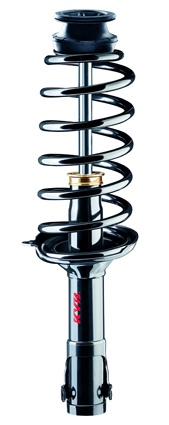
A shock absorber, often called a damper, is a hydraulic device designed to control the impact and rebound movement of a vehicle's springs and suspension. While the springs absorb the initial shock of a bump, the shock absorber’s primary job is to dissipate that energy as heat, preventing the car from bouncing uncontrollably. By regulating this movement, they ensure the tires maintain consistent contact with the road, which is vital for safe steering and braking. Inside a typical shock absorber, a piston moves through a cylinder filled with hydraulic fluid (oil). As the suspension moves up and down, the fluid is forced through tiny holes or valves inside the piston, creating resistance. This resistance slows down the piston's movement, which in turn settles the vehicle's body quickly after a jolt. Many modern shocks also contain a charge of high-pressure nitrogen gas to prevent the oil from foaming during intense use, ensuring consistent performance. Unlike struts, which are structural parts that hold the car up, shock absorbers are independent components that only manage movement. They are critical for "ride quality," as worn-out shocks lead to a floaty, unstable feeling, nose-diving during braking, or excessive swaying in wind. Because they contain moving seals and fluid under pressure, they eventually leak or lose their damping ability over time, typically requiring replacement in pairs to keep the vehicle’s handling balanced