
Rotors
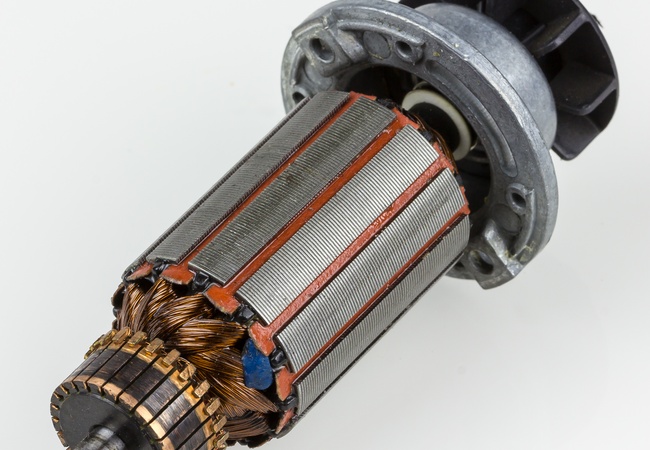
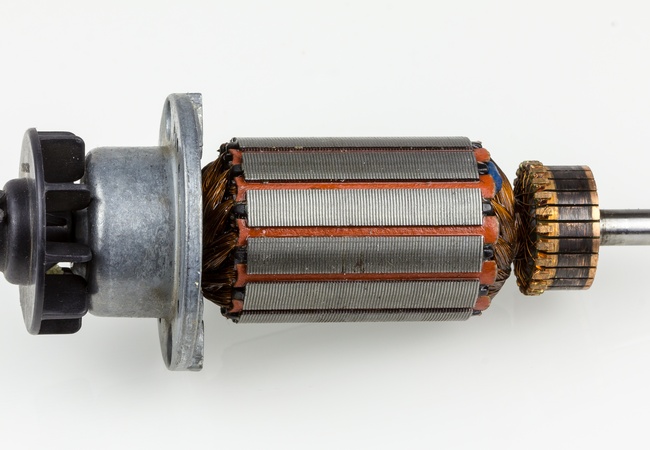
The motor rotor is the central rotating component of an electric motor that converts electromagnetic energy into mechanical motion. Positioned inside the stationary part of the motor (the stator), it is mounted on a central shaft that extends outward to drive external loads like fans, pumps, or vehicle wheels. Its rotation is triggered when it interacts with the magnetic field generated by the stator, creating the torque necessary to spin the motor's axis. Structurally, a rotor typically consists of a core, windings or conductors, and a shaft. The core is often made from stacks of thin, laminated steel sheets to improve magnetic efficiency and reduce energy loss from heat. Depending on the motor type, the rotor may use copper or aluminum bars (common in "squirrel cage" induction motors), wire coils (wound rotors), or even permanent magnets (brushless motors) to facilitate this magnetic interaction. Functionally, the rotor acts as the "armature" in many designs, where electrical current passing through its windings reacts against the stator's field to produce continuous rotation. In some advanced systems, such as synchronous motors, the rotor locks onto the speed of the magnetic field to provide precise control, while in induction motors, it spins slightly slower than the field to maintain its current. Because it is a moving part subject to high centrifugal forces, the rotor must be precisely balanced and supported by high-quality bearings to ensure smooth, long-term operation.