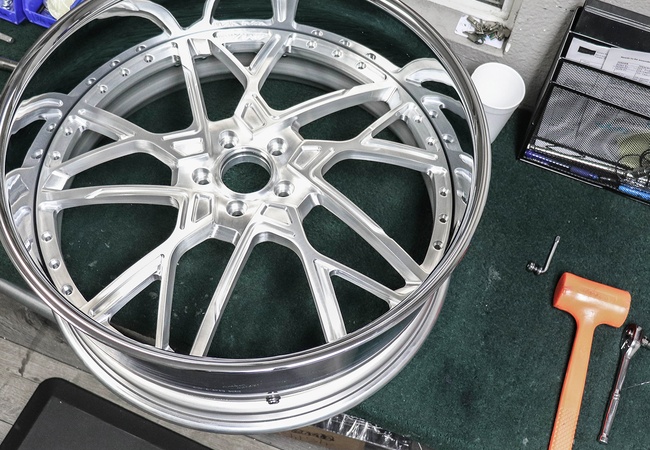

Calipers
Price:
₦ 18,000,000
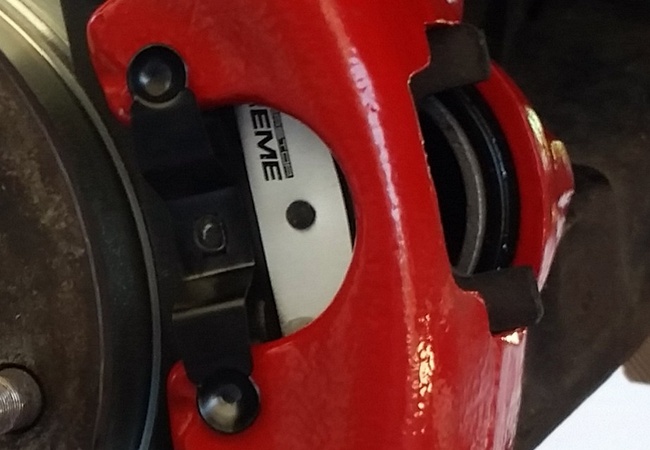
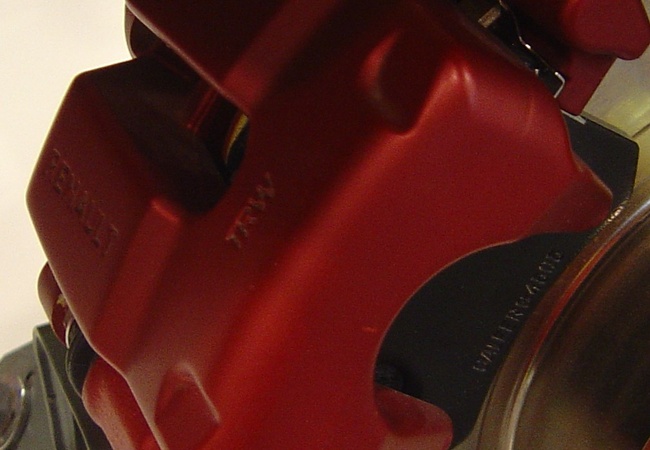
A car brake caliper is the hydraulic clamp that houses the brake pads and sits positioned over the spinning rotor. Its primary role is to act as the "muscle" of the disc brake system, converting hydraulic pressure from the brake pedal into the physical clamping force needed to slow the wheels. When you step on the brakes, brake fluid is forced into the caliper, pushing internal pistons outward to press the pads against the rotor's surface. Structurally, calipers are typically categorized into two designs: floating and fixed. Floating calipers are common on standard passenger cars and move slightly side-to-side to ensure both pads make contact, while fixed calipers are bolted rigidly in place and use multiple pistons on both sides of the rotor for more even pressure. Regardless of the design, the caliper body is usually made of heavy-duty cast iron or aluminum to withstand the extreme heat and mechanical stress generated during every stop. Beyond housing the pads, calipers are equipped with critical components like rubber seals and dust boots to keep the hydraulic fluid in and contaminants out. They also feature a "bleeder screw" used to remove air bubbles from the brake lines, which is essential for maintaining a firm, responsive pedal feel. Because they are exposed to road salt, water, and intense heat, calipers can eventually suffer from seized pistons or leaks, requiring either a rebuild or a full replacement to ensure the vehicle can stop safely