
Brakes
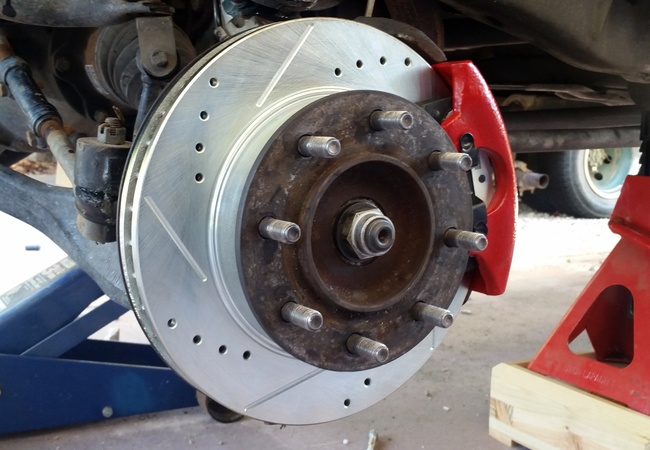
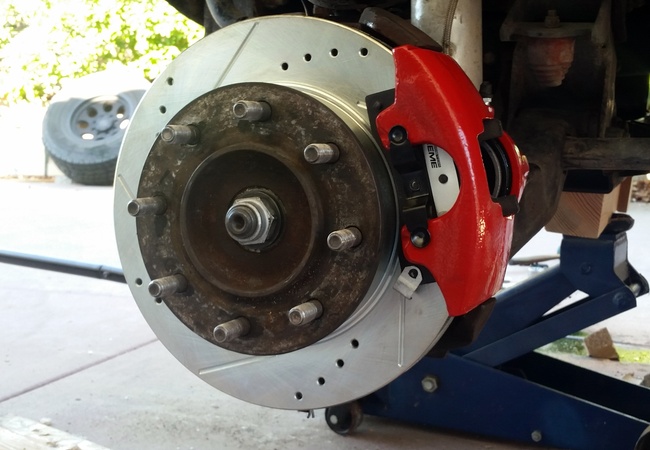
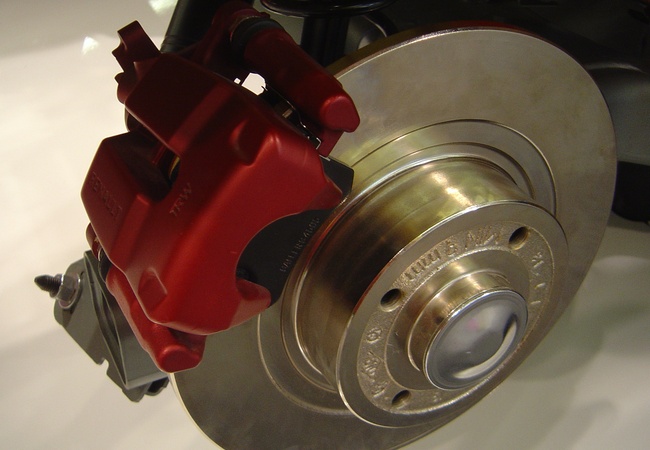
A car's braking system is a critical safety mechanism designed to slow or stop a vehicle by converting kinetic energy (motion) into thermal energy (heat) through friction.Most modern cars use a hydraulic system, where pressing the brake pedal forces pressurized fluid through lines to actuate the braking hardware at each wheel. This system ensures that the driver can control the vehicle's speed precisely, whether making a gentle stop or performing an emergency maneuver. The most common setup is the disc brake, which consists of a circular metal rotor that spins with the wheel and a stationary caliper that straddles it. When the brakes are applied, the caliper squeezes brake pads against both sides of the rotor, creating the friction necessary to halt rotation. Some vehicles, particularly on the rear wheels, may use drum brakes, where curved "shoes" push outward against the inside of a spinning metal drum to achieve the same stopping effect. To enhance safety and performance, modern braking systems include advanced electronic aids like the Anti-lock Braking System (ABS), which prevents the wheels from locking up and sliding during hard braking. This allows the driver to maintain steering control even on slippery surfaces. Additionally, components like the brake booster use engine vacuum or electric motors to multiply the force of the driver's foot, ensuring that even a light tap on the pedal can generate the massive clamping force needed to stop a multi-ton vehicle.