
Windshield
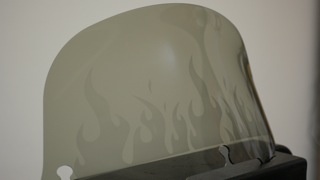
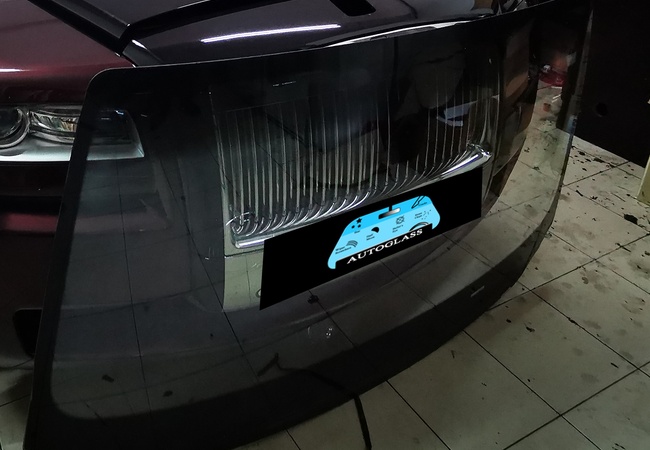
A windshield (or windscreen) is the large glass panel at the front of a vehicle designed to provide a clear view of the road while protecting occupants from wind, debris, and insects. Unlike standard glass, modern windshields are made of laminated safety glass, which consists of two layers of glass with a thin layer of plastic (vinyl) sandwiched in between. This construction ensures that if the glass breaks, it sticks to the plastic interlayer rather than shattering into dangerous shards that could injure the driver or passengers. Beyond visibility, the windshield is a critical structural component of a vehicle’s safety system. It provides up to 30% of the cabin's structural strength, helping to prevent the roof from collapsing during a rollover accident. Additionally, it serves as a backstop for the passenger-side airbag; when the airbag deploys, it bounces off the windshield to stay in the correct position to protect the passenger. Because it supports the car's frame, even a small chip or crack can compromise the vehicle’s overall integrity. Modern windshields have evolved into high-tech hubs for Advanced Driver Assistance Systems (ADAS). Many now house sensors and cameras behind the glass that control features like automatic emergency braking, lane-keeping assist, and rain-sensing wipers. They may also feature specialized coatings to reject UV rays and heat, built-in heating wires to melt ice, or "heads-up displays" (HUD) that project speed and navigation data directly onto the glass so the driver never has to look away from the road.