
Taillights
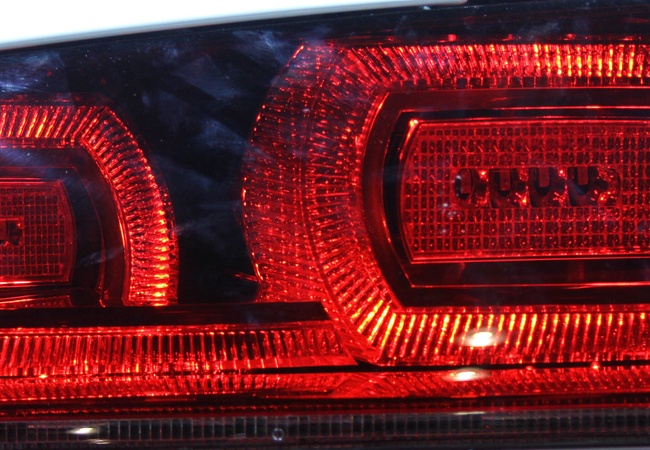
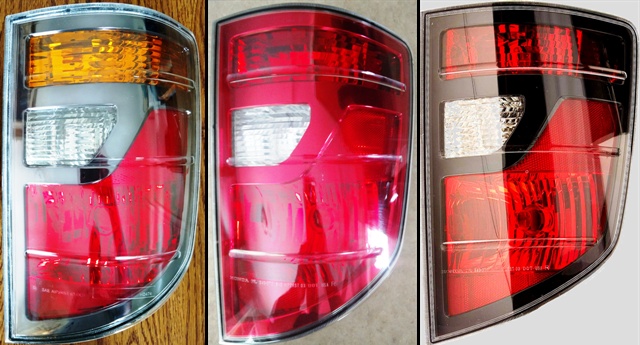
Car taillights are essential safety components mounted at the rear of a vehicle, primarily designed to ensure the car is visible to other drivers during darkness or poor weather. Unlike headlights that illuminate the path ahead, taillights emit a steady, low-intensity red glow whenever the front position lights or headlights are active. They serve as a "presence indicator," allowing following drivers to gauge your vehicle's position, width, and distance from up to 500 feet away. A modern taillight assembly is a multi-function unit typically protected by a durable, red-tinted polycarbonate or acrylic lens. Inside this housing, several critical lighting functions are often integrated, including the main tail markers, brighter red brake lights that signal deceleration, amber or red turn signals, and white reverse lights. The assembly also includes reflectors that bounce back light from other vehicles' headlights, ensuring your car remains visible even if your own lights are off. Technological advancements have largely shifted the industry from traditional halogen bulbs to LEDs, which are now standard on most new vehicles. LEDs are preferred because they illuminate nearly 0.2 seconds faster than incandescent bulbs—a split-second difference that can significantly reduce the risk of rear-end collisions at highway speeds. Additionally, LEDs are more energy-efficient, vibration-resistant, and can last for over 30,000 hours, often outliving the vehicle itself.