
Mirrors
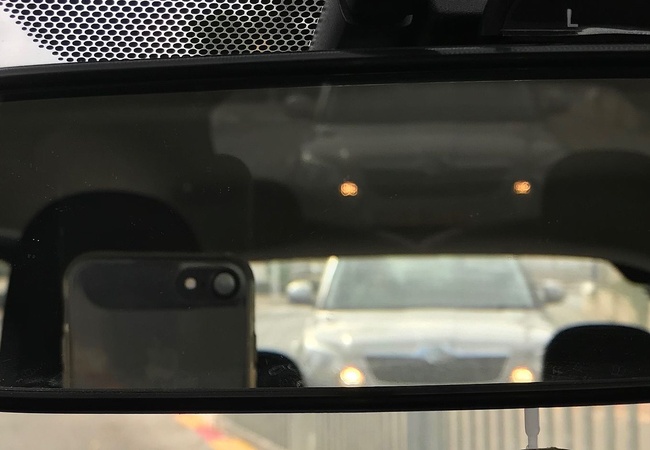
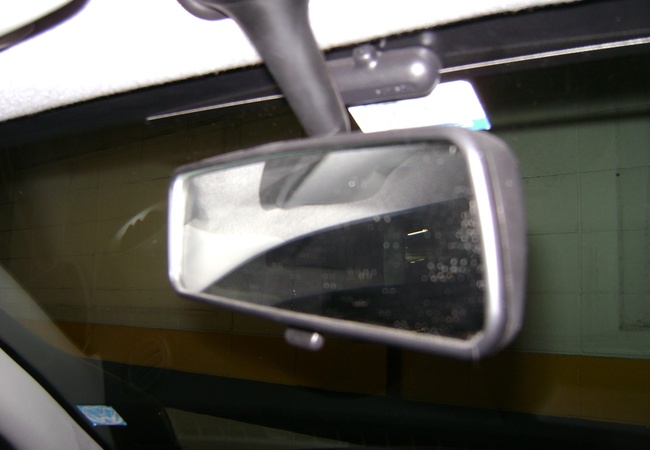
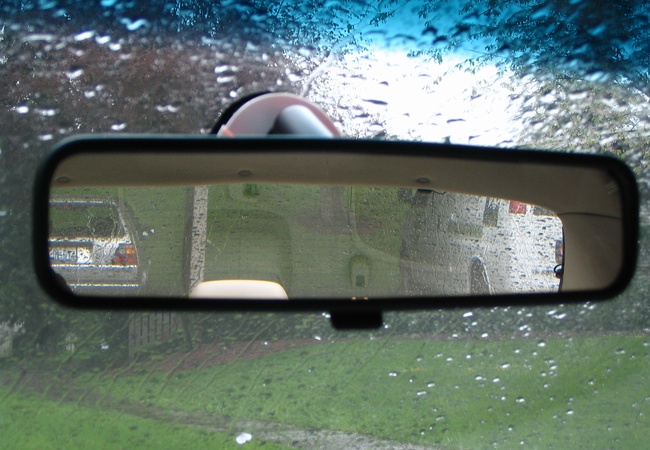
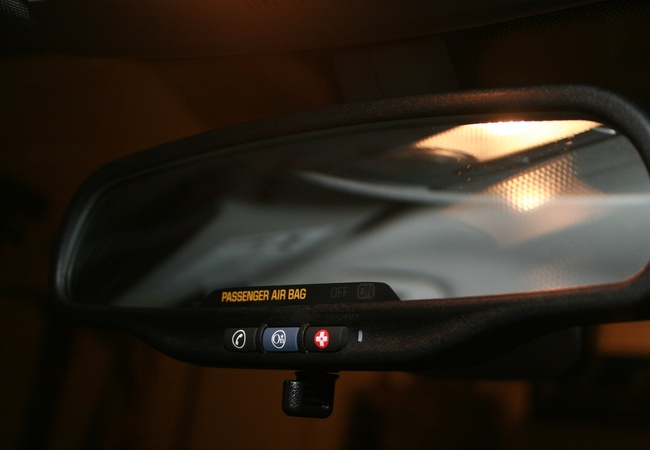
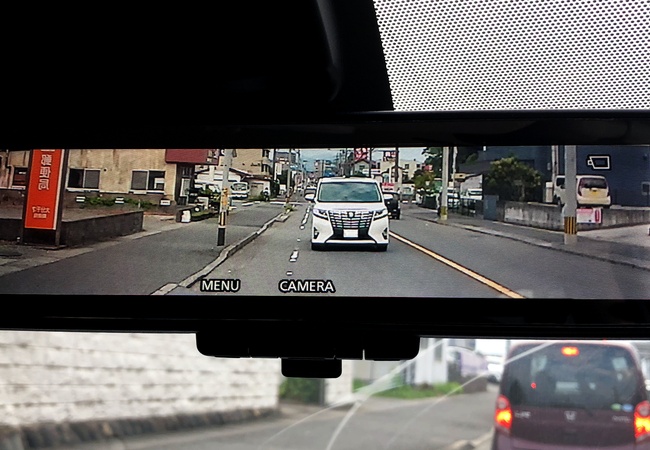
A car's mirrors are essential safety components that provide the driver with a visual field of view outside their natural peripheral vision. Their primary job is to eliminate "blind spots" and allow the driver to monitor traffic behind and to the sides of the vehicle without having to turn their head completely away from the road. By providing this constant spatial awareness, mirrors are the first line of defense during lane changes, reversing, and parking. Most vehicles are equipped with a three-mirror system: one rear-view mirror mounted on the windshield and two side-view mirrors attached to the doors. The rear-view mirror is typically a flat glass that provides an accurate sense of distance, while side-view mirrors often use "convex" (curved) glass. This curvature provides a wider field of view to see more of the lanes next to the car, which is why they usually feature the warning: "Objects in mirror are closer than they appear." Modern mirrors have evolved into high-tech hubs for driver-assistance technology. Many now feature auto-dimming capabilities to prevent glare from high beams, integrated turn signal repeaters, and heating elements to clear frost or fog. High-end versions also house blind-spot monitors (LED icons that light up when a car is nearby) and cameras for 360-degree parking views. Despite these electronic aids, the physical glass remains a legal requirement for safe vehicle operation.