
Hoods
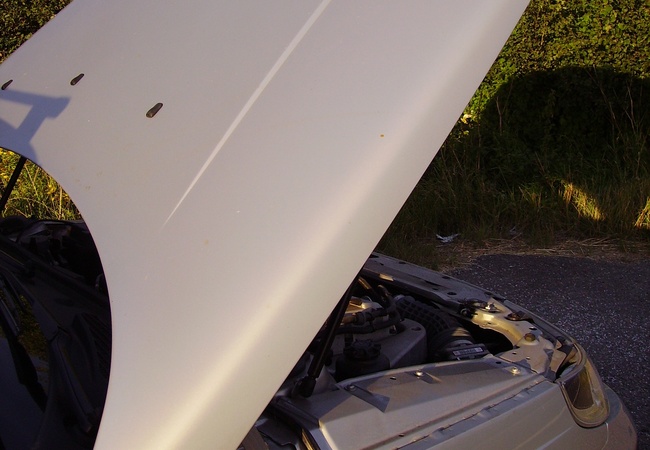
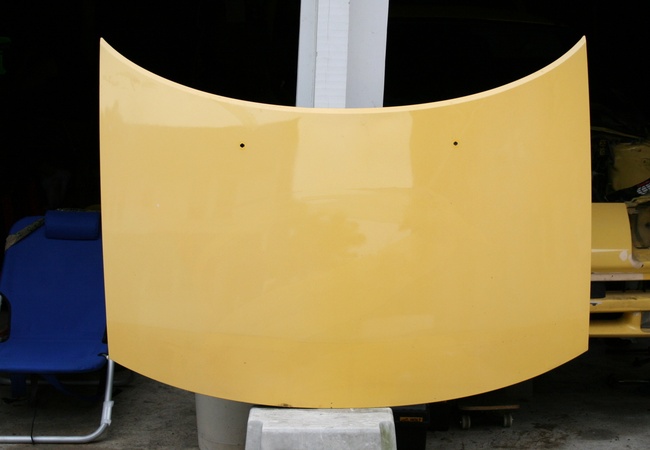
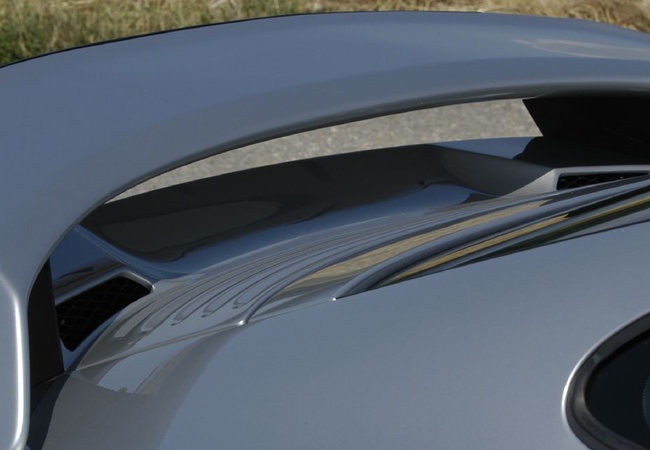
A car hood (known as a bonnet in many countries) is the hinged cover that rests over the engine compartment of front-engined vehicles. Its primary job is to provide easy access to the engine, battery, and fluid reservoirs for maintenance while protecting these sensitive components from the elements and road debris. When closed, it completes the vehicle's structural profile and acts as a vital safety shield between the engine bay and the passenger cabin. Aerodynamics and cooling play a massive role in a hood's design. The smooth, sloping shape is engineered to direct airflow over the car to reduce wind resistance and improve fuel efficiency. Many performance-oriented hoods also feature hood scoops or vents, which either pull cool air into the engine intake or allow trapped engine heat to escape, helping to maintain optimal operating temperatures during high-speed driving. Modern hoods are also critical for pedestrian safety and weight management. They are designed with specific "crumple zones" to buckle and absorb energy during a head-on collision, and some even feature "active hood" systems that pop up slightly upon impact to create a cushion for a pedestrian. To keep vehicles light, manufacturers often use aluminum or carbon fiber instead of traditional heavy steel, securing the panel with a primary latch and a secondary safety catch to prevent it from flying open while driving.