
Headlights
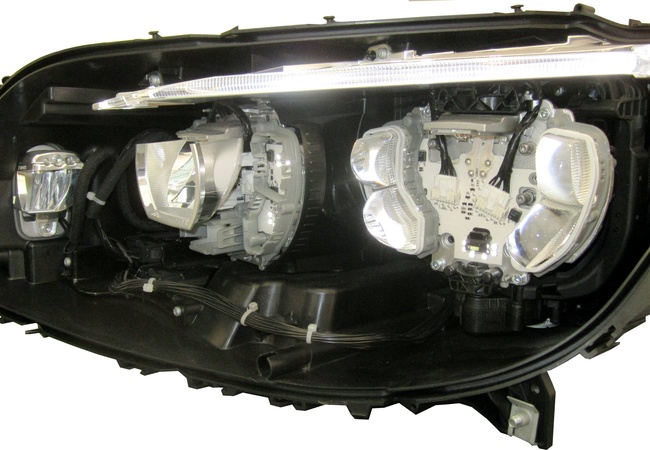
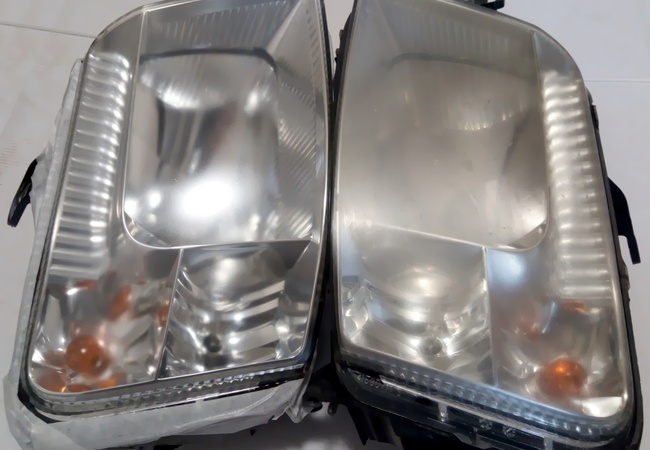
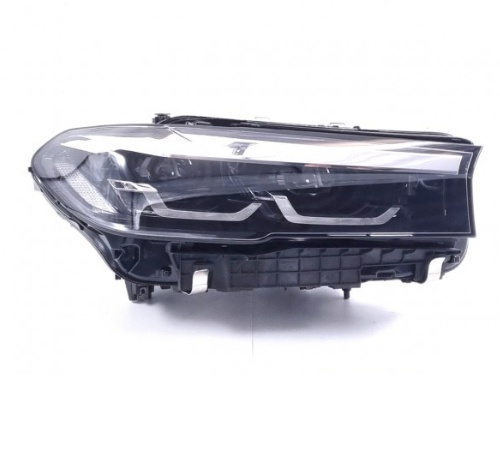
Car headlights are the primary illumination system located at the front of a vehicle, designed to provide visibility during darkness, fog, or heavy rain. Their dual purpose is to allow the driver to see the road ahead—including hazards, signs, and pedestrians—while simultaneously making the vehicle visible to other motorists. Most systems feature two distinct settings: low beams for standard night driving without blinding oncoming traffic, and high beams for maximum reach on empty, unlit roads. The technology behind headlights has evolved significantly, moving from traditional halogen bulbs to more advanced options. HID (Xenon) lights offer a brighter, blue-white glow with better energy efficiency, while LEDs have become the modern standard due to their incredible longevity, low power draw, and compact size. High-end luxury vehicles may even use Laser headlights, which can project a concentrated beam hundreds of meters further than standard bulbs, providing elite-level safety at high speeds. Modern headlight assemblies are often "smart" units integrated with the car's computer system. Features like Daytime Running Lights (DRLs) improve visibility during the day, while Adaptive Headlights can actually pivot into a corner as you turn the steering wheel to light up the path ahead. Additionally, many cars now feature Auto High-Beams, which use cameras to detect oncoming headlights and automatically dip the beams to prevent glare for other drivers, ensuring a safer driving environment for everyone.