
Fenders
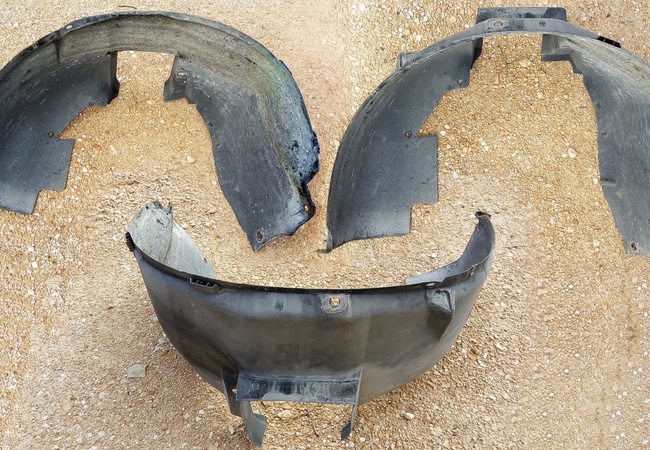
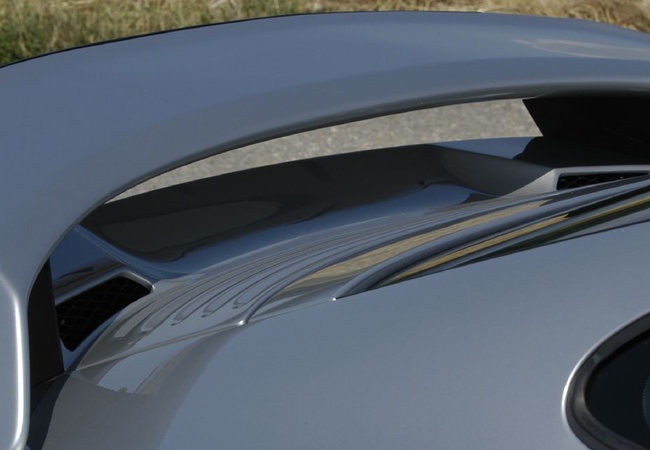
A car fender is the curved body panel that frames the wheel well, extending from the front bumper to the doors (on the front) or from the rear doors to the bumper (on the back, often called "quarter panels"). Its primary functional purpose is to act as a shield, containing the dirt, mud, rocks, and water thrown up by the rotating tires. By "fending off" this road debris, it protects the vehicle's paint, glass, and other motorists from damage. Structurally, fenders are designed with a specific flared shape to provide clearance for the wheels to move up and down with the suspension and turn left or right during steering. Most modern front fenders are separate, bolt-on components made of lightweight steel, aluminum, or high-grade plastic to save weight and make repairs easier. In contrast, rear fenders are usually integrated into the car's main body shell, providing essential structural rigidity to the chassis. In addition to protection, fenders play a major role in a car’s aerodynamics and style, smoothing the airflow around the spinning wheels to reduce wind resistance. Many performance vehicles feature "vented" fenders that allow hot air to escape from the braking system or engine bay, improving cooling efficiency. Because they sit at the outermost corners of the vehicle, fenders are often the first part to be damaged in side-impact collisions, making them a key focus for safety crumple zones.