
Doors
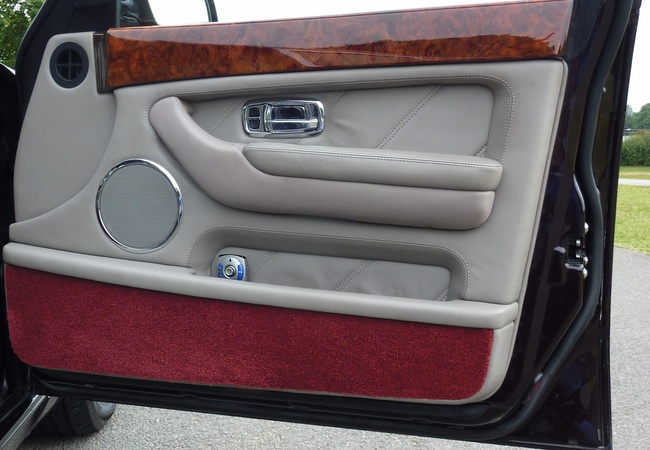
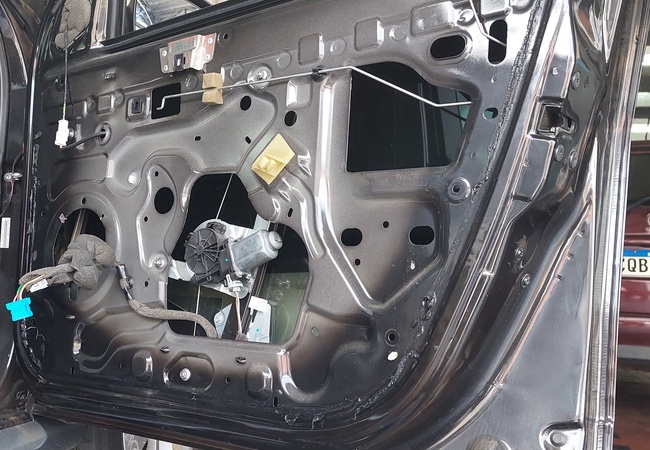
A car door is a sophisticated hinged or sliding entry point that provides access to the vehicle's cabin while acting as a critical structural and safety component. Its primary job is to seal the interior from the environment, protecting passengers from wind, rain, and road noise. When closed and latched, the door becomes an integral part of the car's safety cage, helping to maintain the vehicle's structural integrity and protect occupants during a side-impact collision. Inside the hollow shell of a modern door lies a complex network of mechanical and electronic systems. This includes the window regulator (which moves the glass up and down), the power lock actuator, and often the vehicle's side speakers. Most doors are also reinforced with a heavy-duty side-impact intrusion beam—a steel bar designed to prevent the door from collapsing into the passenger compartment during an accident. Beyond basic entry, car doors are engineered for convenience and advanced safety. They feature weatherstripping—rubber seals that prevent leaks—and "check straps" that stop the door from swinging open too wide and damaging the hinges. High-tech versions now include soft-close motors, integrated side airbags, and "puddle lights" that illuminate the ground. While most cars use standard front-hinged doors, specialty designs like sliding doors on minivans or gull-wing doors on supercars offer unique solutions for space and style.